
Navagraha Abhishekam Tour by Taxi Kumbakonam
A Navagraha abhishekam tour is the most spiritually complete form of pilgrimage one can undertake at the nine Navagraha temples near Kumbakonam. Unlike a general darshan tour where devotees simply offer prayers at each shrine, an abhishekam tour involves performing the sacred ritual bath — the bathing of the deity with specific substances — at each of the nine temples according to the planetary deity’s prescribed offerings. This level of devotion is believed to directly address planetary doshas in the horoscope and deliver powerful parihara blessings that are not achievable through general darshan alone. Planning a Navagraha abhishekam tour requires careful attention to the specific rituals at each temple, the auspicious time windows, and reliable taxi transport that can accommodate the longer time needed at each shrine.
Navagraha Temple Guide: Travel Tips and Etiquette
What is Abhishekam and Why It Is Central to Navagraha Pilgrimage
Abhishekam, derived from the Sanskrit word meaning to bathe or anoint, is the most sacred and direct form of worship offered to a deity in the Hindu temple tradition. It involves the ritualistic bathing of the deity’s idol with a sequence of sacred substances including water, milk, curd, honey, sugarcane juice, tender coconut water, sandalwood paste, and turmeric, each offered while Vedic mantras are chanted by the presiding priest. The four steps of each abhishekam are abhisheka (the sacred bath), alangaram (decoration with flowers and ornaments), neivethanam (food offering), and deepa aradhanai (waving of lamps before the deity). In the context of Navagraha worship, abhishekam is particularly significant because each planet is associated with a specific sacred substance and the act of bathing the planetary deity with that substance is believed to directly invoke and pacify the planet’s cosmic energy.
What makes a Navagraha abhishekam tour different from a regular visit is that it requires arriving at each temple during the scheduled abhishekam sessions, which are conducted at specific intervals throughout the day. A private taxi from Kumbakonam is absolutely essential for an abhishekam tour because it allows you to depart at the precise time needed to reach each temple in alignment with its abhishekam schedule, carry all puja materials conveniently, and spend adequate time at each shrine without rushing.
Unique Abhishekam Rituals at Each Navagraha Temple
Suryanar Koil — Sun Temple at Thirumangalakudi is the only Navagraha temple where Lord Surya is the principal deity, with shrines for all eight other Navagrahas arranged as attendant deities around the main sanctum. Abhishekam here is performed with water, milk, and honey. Specific offerings include wheat, red lotus flowers, red cloth, and copper items. Sunday is the most auspicious day for abhishekam at Suryanar Koil and the temple sees heightened crowds on this day. Circumambulating the nine Navagraha shrines in sequence after the abhishekam is an important additional ritual unique to this temple.
Thingalur Chandran Temple — Moon Temple at Thingalur performs abhishekam with milk, curd, and honey, all white-coloured substances aligned with the Moon’s luminous purity. Offerings include white rice pudding mixed with jaggery, white arali flowers, and white cloth. Abhishekam at this temple is considered especially effective on full moon days and on Mondays. The sacred Chandrapushkarani tank within the temple complex is used for a ritual bath before entering the sanctum.
Vaitheeswaran Koil — Mars Temple near Mayiladuthurai is one of the largest and most visited Navagraha temples, and abhishekam here is particularly sought after for its powerful healing properties. Lord Vaitheeswaran is the divine physician and abhishekam with neem water, milk, and healing herbs is offered. The prasadam at this temple — neem leaves mixed with jaggery — is considered a powerful medicinal offering. Red flowers, red cloth, and red lentils are specific to Chevvai abhishekam. Tuesday is the auspicious day and the temple is busiest on Tuesdays.
Thiruvenkadu Budhan Temple — Mercury Temple at Thiruvenkadu performs abhishekam with tender coconut water, one of the distinctive features of this Budha kshetram. A ritual dip in the Chandra Theertham at the temple entrance is prescribed before the abhishekam for maximum parihara benefit. Offerings include green cloth, green moong dal, and green flowers. Wednesday is the most auspicious day for Budhan abhishekam.
Alangudi Guru Temple — Jupiter Temple at Alangudi performs abhishekam with milk, curd, honey, and ghee. Devotees offer yellow cloth, channa dal, mullai flowers, turmeric, and bananas to Lord Guru. Ghee lamp lighting before the Dakshinamoorthy sanctum is an additional and highly auspicious ritual specifically associated with this Guru kshetram. Thursday is the most potent day for Guru abhishekam and Guru Peyarchi days see special Laksharchana conducted.
Kanjanur Sukran Temple — Venus Temple at Kanjanur performs abhishekam with milk, curd, and white sugarcane juice. Offerings include white flowers, white cloth, white rice pudding, and curd rice. Sukra abhishekam on Fridays is considered most effective for removing Sukra Dosha, resolving marital issues, and seeking blessings for beauty, prosperity, and relationships.
Thirunallar Saneeswaran Temple — Saturn Temple near Karaikal is the most significant abhishekam destination in the entire Navagraha circuit. Til Abhishekam — the bathing of Lord Saneeswaran with sesame oil — is the defining and most powerful ritual of this temple. Devotees also light gingelly oil lamps, offer black sesame, blue or black flowers, and black cloth to Lord Shani. A holy bath in the sacred Nala Theertham before the temple abhishekam is a non-negotiable ritual for devotees visiting Thirunallar. Saturday is the most auspicious day when the Saneeswaran sanctum remains open through the midday break.
Thirunageswaram Rahu Temple — Rahu Temple near Kumbakonam is world-famous for one of the most extraordinary abhishekam phenomena in Hindu temple worship — the milk poured over the Rahu idol during the abhishekam is widely witnessed to turn from white to blue in colour. This Rahu milk abhishekam is considered one of the most powerful Kaalasarpa Dosha and Rahu Dosha remedies available. Offerings include black sesame, blue or dark blue cloth, coconut, and black flowers. The abhishekam performed during Rahu Kalam on any given day is considered the most auspicious window.
Keezhaperumpallam Kethu Temple — Ketu Temple near Poompuhar performs abhishekam where devotees offer red flowers, dharba grass, red cloth, horse gram, and mustard oil lamps. Bathing in the Naga Theertham before the temple abhishekam is prescribed for removing Naga Dosha and serpent-related curses. The prasadam here is associated with wisdom and spiritual liberation.
Why a Two-Day Abhishekam Tour is Essential
A general darshan tour of all nine temples can be completed in a single long day. However, a Navagraha abhishekam tour requires significantly more time at each temple — booking the abhishekam at the counter, waiting for the session, performing the ritual, collecting prasadam, and completing the circumambulations. Many popular temples such as Thirunallar and Thirunageswaram have waiting periods for abhishekam slots, especially on their auspicious days. An abhishekam tour therefore almost always requires two days, with the temples divided into two geographic clusters as detailed in the route planning section below.
Day one of the abhishekam tour covers the western and northern cluster: starting at Thingalur Chandran Temple, proceeding to Alangudi Guru Temple, then Thirunageswaram Rahu Temple, followed by Suryanar Koil, and ending at Kanjanur Sukran Temple before returning to Kumbakonam for an overnight stay. Day two covers the eastern coastal cluster: departing early for Thirunallar Saneeswaran Temple first to beat the crowds, then proceeding to Vaitheeswaran Koil, Thiruvenkadu Budhan Temple, and concluding at Keezhaperumpallam Kethu Temple before returning to Kumbakonam.
Practical Tips for Your Navagraha Abhishekam Tour
Consulting a Jyotisha (Vedic astrologer) before your tour is strongly recommended for devotees seeking targeted parihara for specific doshas. An astrologer will identify which planetary temples require priority abhishekam based on your birth chart and prescribe the specific substances and mantras for each shrine. Carrying a small bag with your birth star details and gotra name is useful when booking abhishekam counters at each temple, as the priests typically chant these details during the ritual. Wearing traditional attire — dhoti and upper cloth for men, saree or half saree for women — is expected at all nine temples and enhances the sanctity of the abhishekam experience.
Why Friends Track Call Taxi is the Best Choice for Navagraha Abhishekam Tour
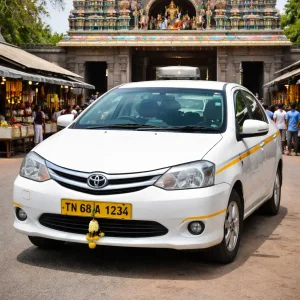
An abhishekam tour places specific demands on transportation that a regular bus journey cannot meet. Your taxi must wait during the sometimes extended abhishekam session at each temple, be ready to depart immediately when you are done, carry your puja materials safely throughout the day, and navigate efficiently between temples to ensure you do not miss the abhishekam window at the next destination. Friends Track Call Taxi from Kumbakonam, with over 15 years of Navagraha pilgrimage experience, understands these requirements precisely. The drivers are familiar with abhishekam waiting times at each temple, know the best routes, and are accustomed to the pace and requirements of a serious pilgrimage rather than a tourist excursion. All vehicles are air-conditioned and comfortable for the two-day, 300-kilometre circuit. Book your Navagraha abhishekam taxi tour with Friends Track today and experience the nine temples in the most sacred and complete manner possible.
FAQs — Navagraha Abhishekam Tour by Taxi Kumbakonam
- What is a Navagraha abhishekam tour and how is it different from a general darshan tour? A Navagraha abhishekam tour involves performing the sacred ritual bath at each of the nine Navagraha temples using planet-specific substances such as sesame oil for Saturn, milk for Rahu, and tender coconut for Mercury. Unlike a general darshan visit, an abhishekam directly invokes and pacifies each planetary deity’s cosmic energy and is far more effective for parihara of specific doshas.
- Which Navagraha temple is most famous for its unique abhishekam ritual? Thirunageswaram Rahu Temple is the most renowned for its extraordinary milk abhishekam, where the milk poured over the Rahu idol is widely witnessed to turn blue in colour, symbolising the absorption of negative planetary energies. Thirunallar Saneeswaran Temple is equally significant for its Til Abhishekam with sesame oil.
- Can I complete a Navagraha abhishekam tour in a single day from Kumbakonam? No. A Navagraha abhishekam tour requires two days from Kumbakonam because each temple’s abhishekam session requires dedicated booking, waiting time, and ritual completion that cannot be rushed. A two-day tour divided into two geographic clusters ensures adequate time at each temple for a complete and meaningful abhishekam experience.
- What puja materials should I carry for a Navagraha abhishekam tour? Each temple requires different offerings — sesame oil and black cloth for Saturn, milk and blue flowers for Rahu, white rice pudding and white flowers for Moon, yellow cloth and channa dal for Jupiter, and red flowers and red cloth for Mars and Ketu. Carrying your birth star and gotra details is also important as priests chant these during the abhishekam.
- Why is a private taxi from Kumbakonam essential for a Navagraha abhishekam tour? An abhishekam tour requires your transport to wait at each temple during the ritual session, depart at precise times to catch the abhishekam windows at subsequent temples, carry puja materials safely, and navigate efficiently across the two-day 300-kilometre circuit. These requirements are impossible to fulfil with public bus transport, making a private call taxi from Kumbakonam the only practical option.