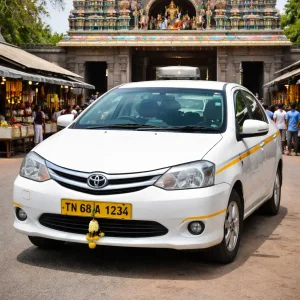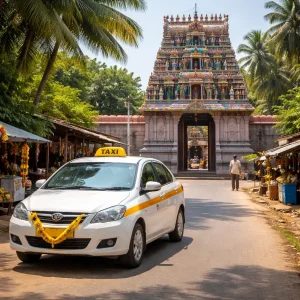
Navagraha Tour Taxi for Ezharai Sani Relief

Among all the planetary influences in Vedic astrology, Ezharai Sani — also known as Sade Sati in North Indian tradition — is perhaps the most widely discussed and deeply feared astrological period in Tamil Hindu culture. Ezharai Sani refers to the seven-and-a-half-year transit of Saturn across three consecutive zodiac signs, beginning from the sign preceding the Moon sign in a native’s birth chart and concluding after passing through the sign following it.

During this prolonged period, devotees commonly experience a series of challenges across multiple areas of life — delayed progress in career and business, strained relationships, unexpected health concerns, financial pressures, and a general sense of heaviness or fatigue that is difficult to explain rationally. While Vedic astrology acknowledges that not all effects of Ezharai Sani are negative — Saturn is ultimately a planet of discipline, karmic justice, and spiritual growth — the period demands patience, perseverance, and sincere spiritual effort from the native.

A dedicated Navagraha tour by taxi for Ezharai Sani relief is one of the most powerful and time-honored remedies in Tamil tradition, combining pilgrimage, parihara rituals, and sincere devotion to seek Saturn’s grace and navigate this challenging astrological phase with greater clarity and resilience.

Kumbakonam’s Navagraha Temples: A Pilgrim’s Guide

Navagraha Tour Taxi for Ezharai Sani Relief

What Is Ezharai Sani in Vedic Astrology

Ezharai Sani is a compound Tamil term — Ezharai meaning seven and a half, and Sani referring to Saturn. In Vedic astrology, Saturn takes approximately two and a half years to transit each zodiac sign. When Saturn transits the sign immediately before the native’s Moon sign, through the Moon sign itself, and then through the sign immediately following it, the total duration adds up to approximately seven and a half years — hence the name Ezharai Sani.

This transit is considered particularly significant because Saturn’s movement through these three signs directly impacts the Moon — the planet governing the mind, emotions, and overall well-being in Vedic astrology. The combined influence of Saturn’s disciplining energy on the sensitive Moon creates the characteristic experiences of this period — emotional strain, mental fatigue, slowdowns in life progress, and karmic lessons that demand attention and acceptance.

Tamil astrologers have traditionally prescribed a combination of remedies for Ezharai Sani including fasting on Saturdays, chanting Saturn-related hymns and stotras, performing charitable acts, and most significantly undertaking a pilgrimage to the Navagraha parihara temples — particularly Thirunallar Sani Temple — to seek Saturn’s blessings and relief from the period’s difficulties.


Thirunallar — The Most Sacred Destination for Ezharai Sani Relief

At the heart of any Navagraha tour for Ezharai Sani relief is Thirunallar — the designated Navagraha parihara temple for Saturn located near Karaikal in the Cauvery delta region. The presiding deity is Lord Darbaranyeswarar, an aspect of Lord Shiva, and the planetary deity Sani Bhagavan is enshrined here in a prominent dedicated shrine within the temple complex.

Thirunallar holds a unique place in Tamil religious tradition — it is one of the few Navagraha temples that draws enormous crowds throughout the year regardless of festival seasons, purely because of the constant stream of devotees seeking Ezharai Sani pariharam. The temple is especially crowded during Sani Peyarchi — the auspicious day when Saturn transits from one zodiac sign to another — when hundreds of thousands of pilgrims converge to perform special Saturn parihara rituals.

The temple tank at Thirunallar, known as Nala Theertham, is considered highly sacred for Ezharai Sani devotees. Taking a ritual dip in this tank before proceeding for Sani darshan is a deeply important part of the parihara tradition at this temple, symbolizing the washing away of karmic burdens and the purification of the self before approaching the Saturn deity.


Why a Taxi Tour Is the Best Approach for Ezharai Sani Relief

A Navagraha tour by taxi for Ezharai Sani relief goes beyond just visiting Thirunallar. The complete parihara approach in Tamil tradition involves visiting multiple Navagraha temples during the same pilgrimage — seeking the blessings of all nine planetary deities while placing special emphasis on the Saturn shrine at Thirunallar.

Traveling by private taxi makes this comprehensive approach practically achievable in a single day or across two relaxed days. The flexibility of a taxi allows you to begin your tour at Thirunallar for the primary Sani pariharam, proceed to other Navagraha temples in a logical geographic sequence, and complete the circuit at your own pace without the fatigue and inconvenience of public transport.

For devotees undergoing the difficult phases of Ezharai Sani — when physical and mental energy may already be stretched — the comfort and ease of a private taxi journey is not a luxury but a genuine practical necessity. Arriving at each temple refreshed rather than exhausted allows for deeper spiritual engagement with the parihara rituals and a more meaningful darshan experience.


Temples to Visit on a Navagraha Tour for Ezharai Sani Relief

While Thirunallar is the primary destination for Ezharai Sani pariharam, a comprehensive Navagraha taxi tour typically includes visits to several or all of the nine planetary temples in the circuit. Each temple adds its own layer of spiritual blessing and planetary balance to the pilgrimage.

Thirunallar for Sani pariharam is the essential and most important stop for Ezharai Sani devotees. Thirunageswaram near Kumbakonam for Rahu pariharam is highly recommended as Rahu’s influence often intensifies during difficult Saturn periods. Keezhaperumpallam for Kethu pariharam complements the Rahu visit and addresses karmic shadow planet influences together. Vaitheeswaran Koil for Angaraka pariharam is particularly valuable for devotees experiencing health challenges during Ezharai Sani. Suryanar Koil for Surya darshan brings clarity, vitality, and ancestral blessings to support the native through the Saturn period. Alangudi for Guru pariharam is especially important as Jupiter’s blessings are considered one of the most effective counterbalances to Saturn’s difficult influences. Kanjanur for Sukran, Thingalur for Chandra, and Thiruvenkadu for Budhan complete the full Navagraha circuit for comprehensive planetary healing.


Kumbakonam as the Starting Point for Your Ezharai Sani Tour

Kumbakonam is the most practical and widely chosen base for beginning a Navagraha tour taxi for Ezharai Sani relief. Its central position within the Navagraha temple belt means that several of the nine shrines — including Suryanar Koil, Thirunageswaram, and Kanjanur — are located very close to the town, while Thirunallar, Vaitheeswaran Koil, and the remaining temples are all within manageable driving distance.

Pilgrims traveling from Chennai, Coimbatore, Madurai, or other distant cities often choose Kumbakonam as their overnight base, beginning the Navagraha tour early the following morning after a restful night. This approach allows for a more relaxed and spiritually focused pilgrimage compared to the rushed single-day format that a direct outstation journey often necessitates.


Ashtama Sani — Another Form of Saturn Dosham Addressed by This Tour

In addition to Ezharai Sani, Tamil astrology recognizes Ashtama Sani as another significant Saturn-related challenge. Ashtama Sani refers to the transit of Saturn through the eighth house from the native’s Moon sign — a two-and-a-half-year period associated with physical health challenges, unexpected obstacles, financial strain, and emotional turbulence.

A Navagraha tour by taxi for Ezharai Sani relief is equally applicable and beneficial for devotees experiencing Ashtama Sani. The parihara temples and rituals prescribed for both forms of Saturn dosham overlap significantly, with Thirunallar and the broader Navagraha circuit serving as the foundation of the remedy in both cases.


Who Should Plan a Navagraha Tour for Ezharai Sani Relief

This dedicated taxi tour is most beneficial for the following groups of devotees:

  • Individuals currently experiencing Ezharai Sani confirmed through horoscope analysis
  • Devotees undergoing Ashtama Sani seeking Saturn pariharam and relief
  • Families experiencing collective difficulties during a Saturn transit period
  • Pilgrims seeking to perform the complete Navagraha circuit as part of their Ezharai Sani remedy
  • Senior citizens and elderly devotees who require comfortable, door-to-door taxi travel for this pilgrimage
  • NRI and diaspora devotees visiting Tamil Nadu specifically for Ezharai Sani pariharam
  • Devotees observing Sani Peyarchi and seeking to perform elaborate rituals at Thirunallar

Travel Tips for Your Ezharai Sani Navagraha Taxi Tour

  • Consult your astrologer before planning the tour to confirm your Ezharai Sani status and the specific parihara rituals prescribed for your birth chart
  • Start your journey early in the morning to cover the maximum number of temples comfortably within the day
  • Prioritize Thirunallar as your primary stop and allocate extra time for the ritual bath in Nala Theertham and Sani darshan
  • Inform your taxi driver of your complete temple itinerary in advance so the route can be planned in the most efficient geographic sequence
  • Wear traditional attire appropriate for temple entry as dress codes are observed at all Navagraha shrines
  • Check the Tamil Panchangam for Sani-related auspicious days such as Sani trayodashi or Sani pradosham before finalizing your travel date
  • Carry sufficient water, light snacks, and personal medications for a full day of pilgrimage travel
  • Consider combining your Thirunallar visit with the nearby Karaikal temples for additional spiritual merit during your Saturn parihara tour

FAQs— Navagraha Tour Taxi for Ezharai Sani Relief

1. Which temple is most important for Ezharai Sani pariharam? Thirunallar Sani Temple near Karaikal is the most important destination for Ezharai Sani relief, as it is the designated Navagraha parihara temple for Saturn and is specifically sought by devotees experiencing the seven-and-a-half-year Saturn transit.

2. Is visiting only Thirunallar enough for Ezharai Sani relief? While Thirunallar is the primary temple for Saturn pariharam, visiting the complete Navagraha circuit by taxi is strongly recommended for comprehensive planetary balance and maximum spiritual benefit during the Ezharai Sani period.

3. Can this taxi tour help with Ashtama Sani as well? Yes, a Navagraha tour by taxi for Ezharai Sani relief is equally beneficial for devotees experiencing Ashtama Sani, as the parihara temples and prescribed rituals for both forms of Saturn dosham overlap significantly with Thirunallar at the center.

4. What is the best day to visit for Ezharai Sani pariharam? Saturday is the most auspicious day for Saturn worship, and days such as Sani trayodashi and Sani pradosham in the Tamil calendar are particularly significant for Ezharai Sani pariharam at Thirunallar and the Navagraha temples.

5. Is a taxi the right choice for elderly devotees seeking Ezharai Sani relief? Yes, a private taxi is the most suitable option for elderly pilgrims as it provides comfortable door-to-door travel, eliminates the physical strain of public transport, and allows flexible rest stops throughout the Navagraha temple tour.

Navagraha Temple Distance from Kumbakonam

Kumbakonam is widely recognised as the most strategic base for visiting all nine Navagraha temples in Tamil Nadu. All nine temples are located within a maximum distance of approximately 60 kilometres from Kumbakonam, making it the ideal starting point for both one-day and two-day Navagraha pilgrimage circuits. Understanding the exact distance from Kumbakonam to each Navagraha temple, the route directions, and how to efficiently cluster the temples for your taxi tour will help you plan a smooth, well-timed, and spiritually fulfilling pilgrimage.

Cultural Significance of the Navagraha Temples

Navagraha Temple Distance from Kumbakonam

Why Kumbakonam is the Best Base for Navagraha Temples

Unlike other towns in the Cauvery delta region, Kumbakonam sits at the geographic centre of the Navagraha temple circuit. Whether you are heading north-west towards Thingalur, south towards Alangudi, east towards Thirunageswaram, or further east towards the coastal temples at Keezhaperumpallam and Thiruvenkadu, Kumbakonam provides easy road access in every direction. The town is well connected by train and bus from major cities including Chennai, Trichy, Madurai, and Bangalore, making it the arrival point of choice for pilgrims from across India. Hotels, lodges, and restaurants in abundance make Kumbakonam a practical overnight base for the two-day Navagraha circuit.

All Nine Navagraha Temples — Distance from Kumbakonam

Thirunageswaram Rahu Temple is the closest of all nine Navagraha temples to Kumbakonam, located just 6 to 8 kilometres away on the Kumbakonam–Karaikal highway. The route is straightforward — heading east from Kumbakonam towards Karaikal, the temple is clearly visible on the right side of the road. The short distance means this temple can be reached in under 20 minutes by taxi and is often the first stop on any Navagraha tour from Kumbakonam. It is also on the same route as Thirunallar, making it a natural pairing on the Karaikal corridor.

Suryanar Koil — Sun Temple at Thirumangalakudi is approximately 15 to 16 kilometres from Kumbakonam via Aduthurai on the Kumbakonam–Mayiladuthurai road. The temple is about 3 kilometres off the main highway from Aduthurai junction. This short distance and easy accessibility make Suryanar Koil one of the most convenient Navagraha temples to visit from Kumbakonam. The route is well paved and Aduthurai itself is a familiar transit point for pilgrims familiar with the Mayiladuthurai road.

Alangudi Guru Temple — Jupiter Temple is approximately 17 to 20 kilometres from Kumbakonam on the Kumbakonam–Mannargudi road. The route heads south-west from Kumbakonam and the temple arch is visible on the left side of the road, with the temple about 2 kilometres inside the village. This makes Alangudi one of the most accessible Navagraha temples and it is often the second or third stop on the morning circuit due to its manageable distance and direct road connectivity.

Kanjanur Sukran Temple — Venus Temple is approximately 20 kilometres from Kumbakonam. The route follows the Mayiladuthurai–Kathiramangalam road and Kanjanur is an interior village on this stretch. The temple is close to Suryanar Koil, which is why both are typically grouped together on the northern corridor of the Navagraha tour from Kumbakonam. Experienced taxi drivers from Kumbakonam are familiar with the interior road approach to Kanjanur.

Thingalur Chandran Temple — Moon Temple is approximately 30 to 37 kilometres from Kumbakonam on the Kumbakonam–Thiruvaiyaru road. The village of Thingalur is about 6 kilometres from Thiruvaiyaru town. This temple sits in a north-westerly direction from Kumbakonam, requiring a distinct route separate from the eastern and southern temples. Since the temple is on a secondary road off the state highway, a private taxi with a knowledgeable driver is particularly important for this visit.

Thirunallar Saneeswaran Temple — Saturn Temple is approximately 48 to 52 kilometres from Kumbakonam via the Kumbakonam–Karaikal main road passing through Thirunageswaram and Nagapattinam. Thirunallar is located in the Karaikal district under the Pondicherry Union Territory. The journey takes approximately one to one and a half hours by taxi. Since Thirunageswaram falls on the same route, both Rahu and Sani temples are conveniently combined on this eastern corridor.

Vaitheeswaran Koil — Mars Temple is approximately 49 to 55 kilometres from Kumbakonam. The route heads east from Kumbakonam via Mayiladuthurai, and the temple is located about 4 kilometres from Mayiladuthurai towards Chidambaram. Vaitheeswaran Koil is one of the largest and most visited Navagraha temples in the circuit and is typically combined with Thiruvenkadu and Keezhaperumpallam on the eastern coastal cluster of the tour.

Thiruvenkadu Budhan Temple — Mercury Temple is approximately 60 kilometres from Kumbakonam. The route goes via Mayiladuthurai and then towards Sirkazhi, with Thiruvenkadu located about 10 kilometres south-east of Sirkazhi. The temple is close to both Vaitheeswaran Koil and Keezhaperumpallam, making the three coastal temples a natural cluster for the second day of a two-day Navagraha tour.

Keezhaperumpallam Kethu Temple is approximately 55 to 60 kilometres from Kumbakonam, near Poompuhar on the Sirkazhi–Poompuhar coastal road. This is the most distant Navagraha temple from Kumbakonam and is located just 2 kilometres from the historic Poompuhar seafront. The route from Kumbakonam goes via Mayiladuthurai and Sirkazhi. Thiruvenkadu is only 8 kilometres from Keezhaperumpallam, making these two the natural end-point cluster of the eastern leg of the Navagraha circuit.

The Two Temple Clusters from Kumbakonam

For practical planning purposes, the nine Navagraha temples from Kumbakonam naturally divide into two geographic clusters. The western and northern cluster includes Thirunageswaram (6 km), Suryanar Koil (15 km), Alangudi (17 km), Kanjanur (20 km), Thingalur (30 km), and Thirunallar (50 km). This cluster covers the temples in the north, north-west, and south-west directions from Kumbakonam and is best covered on day one of a two-day tour, starting early morning at Thingalur or Thirunageswaram.

The eastern coastal cluster includes Vaitheeswaran Koil (49 km), Thiruvenkadu (60 km), and Keezhaperumpallam (60 km), all located in the Mayiladuthurai–Sirkazhi–Poompuhar corridor heading east and south-east from Kumbakonam. This cluster forms a natural second-day itinerary, with all three temples accessible within a continuous coastal stretch without needing to return to Kumbakonam between visits.

Total Distance for Navagraha Tour from Kumbakonam

For a one-day Navagraha tour following the route-based order from Kumbakonam, the total round trip covers approximately 250 to 300 kilometres depending on the specific sequence chosen. For a two-day tour, each day covers roughly 150 to 200 kilometres, allowing more comfortable travel, adequate time at each temple for abhishekam and personal puja, and a relaxed pace suited to elderly pilgrims and families with children.

Why a Taxi is the Only Practical Way to Cover All Nine Temples

Given that the nine Navagraha temples are spread across multiple districts — Thanjavur, Mayiladuthurai, Nagapattinam, and Pondicherry Union Territory — there is no single public bus route that connects all nine on a single day. Independent travel using a combination of buses, autos, and shared taxis between the temples is extremely time-consuming, physically exhausting, and unreliable in terms of timing. A private call taxi from Kumbakonam covers all nine temples in a pre-planned sequence, starts at your chosen time, waits at each temple during darshan, and returns you to Kumbakonam at the end of the day without any transport anxiety.

Friends Track Call Taxi, based in Kumbakonam for over 15 years, specialises in Navagraha pilgrimage circuits covering all nine temples. The drivers are familiar with every temple’s approach road, parking area, and the most efficient route sequence to cover maximum darshan within the optimal temple windows. All vehicles are air-conditioned and well maintained for the 250 to 300 kilometre daily coverage. Whether you are planning a single temple visit or the complete nine-temple circuit, Friends Track offers flexible taxi packages for individuals, families, and groups. Contact Friends Track Call Taxi today to book your Navagraha temple tour from Kumbakonam.


FAQs — Navagraha Temple Distance from Kumbakonam

  1. Which is the closest Navagraha temple to Kumbakonam? Thirunageswaram Rahu Temple is the closest, located just 6 to 8 kilometres from Kumbakonam on the Karaikal highway and reachable in under 20 minutes by taxi.
  2. Which is the farthest Navagraha temple from Kumbakonam? Thiruvenkadu Budhan Temple and Keezhaperumpallam Kethu Temple are the farthest, both approximately 60 kilometres from Kumbakonam on the Mayiladuthurai–Poompuhar coastal route.
  3. What is the total distance covered in a one-day Navagraha tour from Kumbakonam? A one-day Navagraha circuit from Kumbakonam covers approximately 250 to 300 kilometres in total, depending on the route order chosen. A two-day tour splits this into two comfortable legs of around 150 to 200 kilometres each.
  4. How are the nine Navagraha temples grouped for an efficient taxi tour from Kumbakonam? The temples divide into two natural clusters. The western and northern cluster covering Thirunageswaram, Suryanar Koil, Alangudi, Kanjanur, Thingalur, and Thirunallar is best done on day one, while the eastern coastal cluster covering Vaitheeswaran Koil, Thiruvenkadu, and Keezhaperumpallam forms a natural second-day itinerary.
  5. Why is a private taxi from Kumbakonam the best way to visit all nine Navagraha temples? The nine temples are spread across multiple districts with no direct public bus connectivity between them. A private taxi provides direct door-to-door travel, flexible departure, comfortable air-conditioned transport for 250 to 300 kilometres, and seamless movement between all nine temples in a single planned circuit.

Navagraha Tour from Chennai to Kumbakonam

The Navagraha temple circuit of Tamil Nadu is one of the most sacred and spiritually enriching pilgrimage routes in South India. For millions of devotees across the country and the Tamil diaspora worldwide, completing a visit to all nine planetary temples is a deeply meaningful life goal — a journey undertaken with faith, devotion, and the sincere desire for planetary blessings and dosham relief.

For pilgrims based in Chennai, a Navagraha tour from Chennai to Kumbakonam by taxi is the most practical, comfortable, and well-organized way to undertake this sacred journey. Kumbakonam serves as the heart of the Navagraha temple belt, with several of the nine shrines located in close proximity to this historic temple town. A taxi journey from Chennai to Kumbakonam and through the Navagraha circuit offers devotees the freedom to travel at their own pace, plan their rituals thoughtfully, and experience the full spiritual depth of this ancient pilgrimage without the constraints of public transport or fixed tour schedules.

The Legends Behind the Navagraha Temples

Navagraha Tour from Chennai to Kumbakonam

Why Chennai Devotees Choose the Kumbakonam Navagraha Circuit

Chennai is home to a large and deeply religious Tamil population, many of whom maintain a strong connection to the temple traditions of the Cauvery delta region. The Navagraha temples clustered around Kumbakonam represent one of the most accessible and complete pilgrimage circuits for Chennai-based devotees — reachable within a single day’s drive and spiritually comprehensive in covering all nine planetary deities.

Unlike pilgrimage destinations that require air travel or multi-day journeys, the Navagraha temple belt around Kumbakonam is within comfortable road travel distance from Chennai. This accessibility makes the Navagraha tour from Chennai to Kumbakonam one of the most popular pilgrimage choices among Tamil Hindu families seeking planetary remedies, ancestral blessings, or simply a spiritually fulfilling day away from the city.


The Route from Chennai to Kumbakonam

The road journey from Chennai to Kumbakonam is a well-traveled route that passes through the heart of Tamil Nadu’s cultural and agricultural landscape. The route typically follows the major highway connecting Chennai to Thanjavur, passing through towns such as Villupuram, Cuddalore, and Chidambaram before reaching the Cauvery delta region and arriving at Kumbakonam.

This journey offers travelers a gradual transition from the urban energy of Chennai into the serene, temple-dotted landscape of the Thanjavur and Mayiladuthurai districts. Ancient gopurams visible from the highway, paddy fields stretching to the horizon, and the sacred Cauvery river winding through the delta create a meditative travel experience that prepares the devotee’s mind and spirit for the pilgrimage ahead.

An alternative route through the East Coast Road via Mahabalipuram and Pondicherry offers a scenic coastal drive before turning inland towards the temple belt. Both routes are well-maintained and suitable for a comfortable taxi journey.


Kumbakonam as the Base for Your Navagraha Tour

Kumbakonam is not just a waypoint on the journey — it is the spiritual and logistical center of the entire Navagraha pilgrimage circuit. This ancient temple town, celebrated for its magnificent Mahamaham tank and its cluster of historic Shaivite and Vaishnavite temples, sits at the heart of a region that houses the majority of the nine Navagraha shrines within a compact radius.

Several of the nine Navagraha parihara temples are located in very close proximity to Kumbakonam — including Suryanar Koil, Thirunageswaram, Kanjanur, and Alangudi — while others such as Vaitheeswaran Koil, Thiruvenkadu, Keezhaperumpallam, Thirunallar, and Thingalur are all within a reasonable driving distance. This geographic concentration makes Kumbakonam the ideal base from which to plan and execute a comprehensive Navagraha taxi tour covering all nine temples.

Pilgrims traveling from Chennai often choose to either complete the entire circuit in a single long day or break the journey into an overnight stay in Kumbakonam, exploring the temples across two more relaxed days.


The Nine Navagraha Temples Covered on This Tour

A complete Navagraha tour from Chennai to Kumbakonam covers all nine planetary parihara temples, each dedicated to one of the Navagraha deities and located within the Cauvery delta region of Tamil Nadu.

Suryanar Koil near Kumbakonam is the temple for Surya — the Sun deity. Thingalur near Papanasam is dedicated to Chandra — the Moon deity. Vaitheeswaran Koil near Sirkazhi enshrines Angaraka — the Mars deity. Thiruvenkadu near Sirkazhi is the parihara temple for Budhan — Mercury. Alangudi near Papanasam is the sacred abode of Guru — Jupiter. Kanjanur near Kumbakonam is the temple for Sukran — Venus. Thirunallar near Karaikal is dedicated to Sani — Saturn. Thirunageswaram near Kumbakonam enshrines Rahu. Keezhaperumpallam near Sirkazhi is the parihara temple for Kethu.

All nine temples are accessible from Kumbakonam by taxi, making it genuinely possible to complete the full circuit in a single well-planned day journey.


Why a Taxi Is the Best Choice for This Tour

For a pilgrimage of this scale and spiritual significance, a private taxi from Chennai to Kumbakonam and through the Navagraha circuit is unquestionably the most practical and rewarding travel option.

Organized group tours follow fixed schedules that may not align with the devotee’s personal ritual requirements or preferred darshan timings. Public transport between the nine temples is fragmented, requiring multiple bus changes and long waiting periods that add unnecessary fatigue to an already full day of pilgrimage. Self-driving on unfamiliar roads while simultaneously navigating the temple circuit is stressful and detracts from the spiritual focus of the journey.

A private taxi solves all of these challenges elegantly. You travel in comfort from Chennai, arrive at Kumbakonam refreshed, and proceed through the Navagraha temples at your own pace with a knowledgeable driver guiding the route. Every stop is on your terms — you decide how long to spend at each temple, which rituals to prioritize, and when to take breaks for rest and refreshment.


Ideal Itinerary for a Navagraha Tour from Chennai to Kumbakonam

While the specific sequencing of temples depends on personal preference and the astrologer’s guidance, a well-organized Navagraha tour from Chennai to Kumbakonam typically follows a geographic circuit that minimizes travel distance between temples and maximizes time available for darshan and rituals.

Departing Chennai in the early hours of the morning allows devotees to reach the first temple by mid-morning. Temples in the Kumbakonam and Papanasam area can be covered in the first half of the day, followed by the Sirkazhi and Mayiladuthurai cluster in the afternoon, and concluding with Thirunallar near Karaikal before beginning the return journey to Chennai.

Devotees who prefer a more relaxed pace often choose to stay overnight in Kumbakonam, completing the circuit across two days with sufficient time at each temple for elaborate parihara rituals, prasad collection, and peaceful darshan without the pressure of a tight schedule.


What to Do in Kumbakonam During Your Navagraha Tour

Beyond the Navagraha temples, Kumbakonam itself is a town of immense religious and cultural significance that rewards pilgrims who take a little extra time to explore. The Sarangapani Temple, Kumbeswarar Temple, Adi Kumbeswarar Temple, and the sacred Mahamaham tank are all located within the town and offer additional opportunities for darshan and spiritual reflection during your visit.

The town is also well known for its traditional filter coffee, local sweets, and fresh temple prasad available at the numerous establishments surrounding the major temples. Pilgrims staying overnight in Kumbakonam can experience the early morning rituals at the town temples — a deeply atmospheric and memorable experience in this ancient Shaivite town.


Who Should Plan This Navagraha Tour from Chennai

This tour is ideal for the following groups of devotees and travelers:

  • Families in Chennai seeking a comprehensive Navagraha pilgrimage for planetary dosham relief
  • Devotees undergoing specific planetary dashas seeking pariharam at the relevant temple
  • Senior citizens and elderly pilgrims who require the comfort and convenience of private taxi travel
  • NRI families and Tamil diaspora visiting Tamil Nadu specifically for the Navagraha circuit
  • Young couples seeking blessings for marriage, children, and family prosperity
  • Devotees observing Sani Peyarchi, Guru Peyarchi, or other significant planetary transit events
  • Spiritual seekers combining the Navagraha tour with a Nadi astrology consultation at Vaitheeswaran Koil

Travel Tips for Your Chennai to Kumbakonam Navagraha Tour

  • Depart from Chennai in the early hours of the morning to maximize temple visiting time during daylight hours
  • Carry a printed or digital list of all nine Navagraha temples and share the complete itinerary with your taxi driver before departure
  • Wear traditional attire appropriate for temple entry throughout the tour as dress codes are observed at all Navagraha shrines
  • Consult your astrologer before the trip to identify your specific dosham and the prescribed parihara rituals for each relevant temple
  • Carry sufficient drinking water, light snacks, and personal medications for a long day of travel and temple visits
  • Check the Tamil Panchangam for auspicious days before confirming your travel date, especially if the tour is being planned for a specific dosham remedy
  • Book your taxi in advance and confirm the driver’s familiarity with the Navagraha circuit before finalizing the booking
  • Consider an overnight stay in Kumbakonam if you prefer a relaxed two-day pilgrimage rather than a single rushed day

FAQs— Navagraha Tour from Chennai to Kumbakonam

1. Can all nine temples be covered in one day? Yes, completing all nine Navagraha temples in a single day is possible when departing Chennai very early in the morning and following a geographically efficient temple sequence, though an overnight stay in Kumbakonam is recommended for a more relaxed experience.

2. Why is Kumbakonam the best base for this tour? Kumbakonam is centrally located within the Navagraha temple belt with several of the nine shrines in very close proximity, making it the most practical and convenient base from which to plan and execute the complete Navagraha pilgrimage circuit by taxi.

3. What is the best route from Chennai to Kumbakonam? The most commonly used route follows the major highway through Villupuram, Cuddalore, and Chidambaram before reaching Kumbakonam, while the East Coast Road via Mahabalipuram and Pondicherry offers a scenic coastal alternative suited for a comfortable taxi journey.

4. Is this tour suitable for NRI and diaspora visitors? Yes, a private taxi tour is particularly well-suited for NRI families and diaspora visitors as it provides personalized, flexible travel without the need to navigate unfamiliar roads independently or depend on public transport in an unfamiliar region.

5. Should I consult an astrologer before this tour? Yes, consulting an astrologer before your tour is strongly recommended as it helps identify your specific Navagraha dosham, the most auspicious travel date, and the prescribed parihara rituals to be performed at each relevant temple for maximum spiritual benefit.

Navagraha Pooja Timings and Taxi Tour Guide

Planning a Navagraha pilgrimage from Kumbakonam requires more than just knowing which temples to visit. The timing of your visit to each of the nine Navagraha temples, the auspicious days dedicated to each planetary deity, the order of darshan, and the puja rituals at each shrine all play a crucial role in making your pilgrimage spiritually effective and logistically smooth. This complete guide covers all the essential information about Navagraha pooja timings and how to plan your taxi tour from Kumbakonam for a fulfilling Navagraha darshan.

Best Way to Explore Kumbakonam’s Navagraha Temples

Navagraha Pooja Timings and Taxi Tour Guide

Why Pooja Timings Matter in a Navagraha Tour

Unlike regular temple visits where any time within opening hours is acceptable, Navagraha temple pilgrimages carry specific astrological requirements. Each planet has a dedicated time window in the day called its hora or graha kalam, during which worship is considered most effective. The most famous example is the Rahu Kalam — the daily window of approximately one and a half hours that changes each day of the week — during which prayers at Thirunageswaram Rahu Temple are believed to yield maximum results. Similarly, devotees who wish to perform abhishekam at specific temples need to arrive well before the mid-session closure to secure their slot at the temple counter. Understanding these windows before you depart from Kumbakonam allows your taxi driver to plan the circuit efficiently, ensuring you reach each temple at the most auspicious moment possible.

All Nine Navagraha Temples — Auspicious Days and Pooja Details

Suryanar Koil — Sun Temple, Thirumangalakudi is the Surya Kshetram and the only Navagraha temple where the Sun God is the principal deity along with the other eight Navagrahas as attendant deities. Sunday is the most auspicious day to visit as it is dedicated to Lord Surya. Special poojas are performed during Ratha Saptami, the festival celebrating the Sun’s celestial chariot. Offerings include red flowers, red cloth, wheat, and copper items. The temple is approximately 16 km from Kumbakonam via Aduthurai and is best visited in the early morning to avoid Sunday crowds.

Thingalur Chandran Temple — Moon Temple is the Chandra Kshetram located about 33 km from Kumbakonam. Monday is the most auspicious day for Chandran worship. Full moon days and new moon days are especially significant. Pournami abhishekam draws large devotee numbers. Offerings include white rice mixed with jaggery, white flowers, and white cloth. A unique natural phenomenon during the Tamil months of Purattasi and Panguni sees moonlight fall directly on the presiding deity, making those months particularly auspicious for visiting this temple.

Vaitheeswaran Koil — Mars Temple is the Chevvai Kshetram situated approximately 55 km from Kumbakonam near Mayiladuthurai. Tuesday is the auspicious day for Chevvai (Mars) worship. The temple is one of the largest and most visited among the nine Navagraha temples. Offerings include red flowers, red cloth, and red lentils. This temple is particularly famous for Nadi astrology readings available in the surrounding streets, and for healing from diseases as Lord Vaitheeswaran is the divine physician. Arriving on a Tuesday morning ensures the best atmosphere for Chevvai pariharam.

Thiruvenkadu Budhan Temple — Mercury Temple is the Budha Kshetram located about 60 km from Kumbakonam near Sirkazhi. Wednesday is the most auspicious day for Budhan worship. The presiding deity is Lord Swetharanyeswarar and a ritual bath in the Chandra Theertham at the temple entrance is believed to relieve Budha Dosha. Offerings include green items such as green cloth, green moong dal, and green flowers. Thiruvenkadu is close to Keezhaperumpallam Kethu Temple, making these two an efficient pairing on the eastern coastal route.

Alangudi Guru Temple — Jupiter Temple is the Guru Kshetram located approximately 17 km from Kumbakonam on the Mannargudi road. Thursday is the most auspicious day for Guru Bhagavan worship. Special darshan of Lord Dakshinamoorthy is offered every Thursday. Guru Peyarchi days draw massive crowds with Laksharchana performed exclusively during Jupiter’s transit. Offerings include channa dal, yellow cloth, mullai flowers, and ghee lamps. Being the closest major Navagraha temple to Kumbakonam after Thirunageswaram, Alangudi is often the first or second stop in the morning circuit.

Kanjanur Sukran Temple — Venus Temple is the Sukra Kshetram located about 20 km from Kumbakonam on the Mayiladuthurai–Kathiramangalam road. Friday is the most auspicious day for Sukran (Venus) worship. The presiding deity is Lord Agniswarar. Offerings include white flowers, white cloth, and rice pudding. Kanjanur is a smaller and lesser-crowded temple compared to others in the circuit, making it a peaceful stop in the Navagraha tour. Its proximity to Suryanar Koil means both can be efficiently grouped on the same northern route.

Thirunallar Saneeswaran Temple — Saturn Temple is the Shani Kshetram located approximately 52 km from Kumbakonam near Karaikal. Saturday is the most powerful day for Lord Saneeswaran worship, with the sanctum remaining open through the midday break on Saturdays. This is the most visited individual Navagraha temple in the circuit. The ritual bath in Nala Theertham before darshan is essential. Offerings include sesame oil, black flowers, black cloth, and gingelly oil lamps. During Sani Peyarchi, the temple sees lakhs of pilgrims and advance taxi booking from Kumbakonam is absolutely essential.

Thirunageswaram Rahu Temple is the Rahu Kshetram located just 6 to 8 km from Kumbakonam on the Karaikal highway. Rahu Kalam — the daily auspicious period for Rahu worship — varies each day of the week and should be checked before planning your visit. The famous milk abhishekam during Rahu Kalam, where milk is believed to turn blue on the Rahu idol, is the temple’s most significant ritual. Offerings include blue or dark cloth, black sesame, milk, and coconut. Being the closest Navagraha temple to Kumbakonam, Thirunageswaram is typically the easiest to include at any point in the circuit.

Keezhaperumpallam Kethu Temple is the Kethu Kshetram located approximately 55 to 60 km from Kumbakonam near Poompuhar. There is no specific day of the week exclusively dedicated to Kethu worship, though Tuesday is sometimes considered auspicious given Ketu’s similarities to Mars in astrological effects. Offerings include red flowers such as Sevvarali, red cloth, dharba grass, and kollu. The Naga Theertham in front of the temple is considered sacred for removing serpent-related doshas. Keezhaperumpallam is close to Thiruvenkadu on the eastern coastal route and the two are best paired together.

Two Orders of Visiting the Navagraha Temples

There are two accepted sequences for visiting the nine Navagraha temples — the astrological order and the route-based order. The astrological order follows the planetary sequence — Sun, Moon, Mars, Mercury, Jupiter, Venus, Saturn, Rahu, Ketu — and is considered the spiritually prescribed sequence for devotees performing complete Navagraha pariharam based on horoscope requirements. This sequence covers approximately 350 km in a zigzag pattern and is best completed over two days for anyone who wishes to perform individual abhishekams at each temple.

The route-based order prioritises geographic efficiency and is best for devotees doing general darshan of all nine temples in a single day. Starting from Thingalur (Moon) in the northwest direction, proceeding to Alangudi (Jupiter), then Thirunageswaram (Rahu), Suryanar Koil (Sun), Kanjanur (Venus), Vaitheeswaran Koil (Mars), Thiruvenkadu (Mercury), Keezhaperumpallam (Ketu), and ending at Thirunallar (Saturn) covers all nine temples in approximately 300 km. Friends Track Call Taxi plans this route efficiently from Kumbakonam, starting before sunrise to complete maximum darshan within optimal temple windows.

One Day vs Two Day Navagraha Taxi Tour from Kumbakonam

A one-day Navagraha tour is suitable for pilgrims who wish to complete general darshan at all nine temples and is recommended for those without specific abhishekam requirements. An early morning departure from Kumbakonam before sunrise is essential for a one-day circuit. A two-day Navagraha tour is strongly recommended for devotees who wish to perform personal abhishekam, archana, and parihara poojas at each temple. Day one can cover the northern and western cluster including Thingalur, Alangudi, Thirunageswaram, Suryanar Koil, and Kanjanur. Day two covers the eastern and southern cluster including Vaitheeswaran Koil, Thiruvenkadu, Keezhaperumpallam, and Thirunallar, ending the pilgrimage at the Sani parihara kshetram.

Friends Track Call Taxi from Kumbakonam offers both one-day and two-day Navagraha tour packages with experienced drivers who know the temple approach roads, parking locations, and the best departure times to catch each temple before its midday closure. All vehicles are air-conditioned and maintained for comfortable long-distance pilgrimage travel. Book your Navagraha taxi tour from Friends Track today to ensure your pilgrimage is planned efficiently around the pooja timings that matter most.


FAQs — Navagraha Pooja Timings and Taxi Tour Guide

  1. What is the correct order to visit all nine Navagraha temples from Kumbakonam? There are two accepted orders — the astrological order following the planetary sequence from Sun to Ketu, which is spiritually prescribed for horoscope-based pariharams, and the route-based order starting from Thingalur for geographic efficiency. A taxi driver experienced in the Navagraha circuit will guide you on which order suits your purpose best.
  2. Which day of the week is most auspicious for visiting each Navagraha temple? Each planet has a dedicated auspicious day — Sunday for Sun, Monday for Moon, Tuesday for Mars, Wednesday for Mercury, Thursday for Jupiter, Friday for Venus, and Saturday for Saturn. Rahu Kalam varies daily and Ketu is generally visited alongside Rahu temples. Planning your taxi tour around these days significantly enhances the effectiveness of your darshan.
  3. Can all nine Navagraha temples be visited in a single day by taxi from Kumbakonam? Yes, all nine temples can be covered in one day using the route-based order, starting before sunrise and travelling approximately 300 km. However, a two-day tour is recommended for devotees who wish to perform abhishekam and parihara poojas at each temple rather than just general darshan.
  4. What is Rahu Kalam and why does it matter for the Thirunageswaram temple visit? Rahu Kalam is a daily period of approximately one and a half hours considered most auspicious for Rahu worship, varying each day of the week. Visiting Thirunageswaram Rahu Temple during Rahu Kalam and performing milk abhishekam at this time is believed to yield the maximum parihara benefit for Rahu Dosha and Kaalasarpa Dosha.
  5. Why is a private taxi better than a bus for the Navagraha temple circuit? A private taxi allows you to depart from Kumbakonam at the optimal time for your specific temple requirements, reach each temple during its auspicious window, carry puja materials comfortably, travel door to door without transfers, and adjust the route based on crowd conditions — all of which are impossible to achieve with public bus transport on this multi-temple circuit.

Navagraha Dosham Parihara Temples by Taxi

In Vedic astrology, the nine planetary deities — collectively known as the Navagrahas — play a profound role in shaping the course of an individual’s life. When one or more of these planets are afflicted, weakly placed, or unfavorably positioned in a birth chart, the resulting planetary imbalance is referred to as Navagraha dosham. This dosham can manifest in various aspects of life including health challenges, financial difficulties, relationship problems, career obstacles, and general lack of progress despite sincere effort.

The most time-tested and spiritually powerful remedy for Navagraha dosham in Tamil tradition is a dedicated pilgrimage to the nine sacred parihara temples located across the Cauvery delta region of Tamil Nadu. Each of these temples is associated with one of the nine planetary deities and performing rituals at the respective shrine is believed to pacify the afflicted planet and restore balance and harmony in the devotee’s life. Traveling to these Navagraha dosham parihara temples by taxi is the most convenient, flexible, and comfortable way to complete this sacred pilgrimage.

Navagraha Temple Guide: Travel Tips and Etiquette

Navagraha Dosham Parihara Temples by Taxi

What Is Navagraha Dosham

Navagraha dosham refers to the adverse planetary influences in an individual’s horoscope that create obstacles, suffering, or imbalance in specific areas of life. Each of the nine planets — Surya, Chandra, Angaraka, Budhan, Guru, Sukran, Sani, Rahu, and Kethu — governs particular aspects of human existence. When any of these planets is afflicted in the birth chart, the native experiences the negative effects associated with that planet’s domain.

Common forms of Navagraha dosham include Chevvai dosham affecting marriage and relationships, Sani dosham causing prolonged hardships and delays, Rahu Ketu dosham creating confusion and karmic obstacles, Surya dosham affecting health and father-related matters, and Budha dosham impacting communication and intellectual pursuits. Identifying the specific dosham through a detailed horoscope reading and subsequently performing parihara rituals at the designated temple is the traditional approach followed by millions of Tamil Hindu devotees.


The Nine Navagraha Parihara Temples of Tamil Nadu

Tamil Nadu is uniquely blessed to be home to all nine Navagraha parihara temples, each located within a relatively compact geographic region in and around the Cauvery delta. This geographical concentration makes it practically possible to visit all nine temples within a single day or across two days when traveling by taxi.

Suryanar Koil near Kumbakonam is the parihara temple for Surya — the Sun deity — worshipped for relief from Surya dosham and Pitru dosham. Thingalur near Papanasam is the designated temple for Chandra — the Moon deity — sought by devotees experiencing emotional instability and Chandra dosham. Vaitheeswaran Koil near Sirkazhi enshrines Angaraka — the Mars deity — and is visited for Chevvai dosham pariharam and healing of illness. Thiruvenkadu near Sirkazhi is the parihara temple for Budhan — Mercury — worshipped for relief from communication and intellectual challenges.

Alangudi near Papanasam is the sacred abode of Guru — Jupiter — and is visited for blessings of wisdom, prosperity, and Guru dosham relief. Kanjanur near Kumbakonam enshrines Sukran — Venus — and draws devotees seeking marital harmony and creative blessings. Thirunallar near Karaikal is the most widely visited Navagraha temple, dedicated to Sani — Saturn — and sought by devotees experiencing Ezharai Sani, Ashtama Sani, or general Sani dosham. Thirunageswaram near Kumbakonam is the parihara temple for Rahu — the shadow planet associated with karmic confusion and sudden upheavals. Keezhaperumpallam near Sirkazhi is the designated shrine for Kethu — the south node of the Moon — worshipped for moksha, spiritual liberation, and Kethu dosham relief.


Why Travel to Navagraha Parihara Temples by Taxi

Visiting all nine Navagraha dosham parihara temples requires careful planning, flexible travel, and reliable transport. Of all the available options, a private taxi stands out as the most practical and comfortable choice for this sacred pilgrimage for several compelling reasons.

The nine temples are spread across different towns and districts in Tamil Nadu, and no single public transport route connects all of them in a convenient sequence. Traveling by bus or shared transport between these temples would require multiple vehicle changes, long waiting periods, and significant physical effort — particularly challenging for elderly devotees or families with young children.

A private taxi eliminates all these challenges by providing seamless, door-to-door connectivity between all nine temples. You can plan your own itinerary, sequence the temples geographically for minimum travel time, and spend as much or as little time as needed at each shrine depending on the rituals you intend to perform. The driver’s familiarity with the Navagraha pilgrimage circuit adds further practical value, ensuring you reach each temple through the most efficient route.


Planning Your Navagraha Parihara Temple Tour by Taxi

A well-planned Navagraha taxi tour from Kumbakonam can cover all nine parihara temples in a single day if the itinerary is carefully organized. Kumbakonam serves as an ideal base for this tour given its central location within the Navagraha temple belt and its proximity to several of the nine shrines.

The most efficient approach is to sequence the temples geographically — beginning with the temples closest to your starting point and gradually moving outward in a logical circuit before returning. This minimizes unnecessary backtracking and ensures maximum darshan time at each temple. Informing your taxi driver of your complete itinerary in advance allows them to plan the most efficient route and factor in traffic conditions, especially during festival seasons or auspicious days when temple crowds are heavier.

Pilgrims with specific dosham concerns may choose to prioritize the parihara temple associated with their afflicted planet, spending more time there for elaborate rituals while covering the remaining temples with standard darshan and archana.


Dosham-Specific Parihara Temple Visits by Taxi

Not every devotee visiting the Navagraha temples is completing the full circuit. Many pilgrims travel specifically to the parihara temple of the planet causing difficulties in their horoscope. In such cases, a taxi remains equally valuable — providing direct, comfortable access to the specific temple needed without the inconvenience of public transport.

Devotees experiencing Sani dosham, Ezharai Sani, or Ashtama Sani make a dedicated journey to Thirunallar. Those with Rahu dosham visit Thirunageswaram. Chevvai dosham sufferers head to Vaitheeswaran Koil. Pilgrims with Guru dosham travel to Alangudi. Each of these focused visits by taxi offers the devotee the comfort of personalized travel tailored entirely around the spiritual purpose of their journey.


Navagraha Parihara Rituals to Perform at Each Temple

While visiting the Navagraha dosham parihara temples by taxi, devotees typically perform a combination of rituals at each shrine depending on their specific dosham and the guidance of their astrologer or family priest.

Common parihara rituals include abhishekam — the sacred bathing of the deity with milk, honey, and other offerings — archana with the devotee’s birth star and name, pradakshina — circumambulating the shrine in the prescribed number of rounds — and the lighting of lamps using specific oils associated with each planetary deity. Each temple has its own prescribed parihara rituals and performing them with genuine devotion and sincerity is considered essential for the remedies to take effect.


Who Should Plan a Navagraha Parihara Temple Taxi Tour

This pilgrimage by taxi is highly recommended for the following groups of devotees:

  • Individuals experiencing specific Navagraha dosham identified through horoscope analysis
  • Devotees undergoing difficult planetary dashas or antardashas in their astrological chart
  • Families seeking collective planetary blessings and relief from recurring life challenges
  • Pilgrims completing the full Navagraha temple circuit as a lifelong spiritual goal
  • Senior citizens and physically challenged devotees who require comfortable, flexible travel
  • Devotees observing Sani Peyarchi, Guru Peyarchi, or other major planetary transit events
  • First-time pilgrims unfamiliar with the Navagraha temple locations and routes

Travel Tips for Navagraha Parihara Temple Tour by Taxi

  • Start your journey as early as possible from your base location to make the most of daylight hours for temple visits
  • Carry a list of all nine Navagraha temples and share your complete itinerary with your taxi driver in advance
  • Wear traditional attire appropriate for temple entry as dress codes are strictly observed at most Navagraha shrines
  • Carry sufficient drinking water, light snacks, and any personal medications especially for long touring days
  • Consult your astrologer or family priest before the trip to identify your specific dosham and the prescribed parihara rituals
  • Check the Tamil Panchangam for auspicious days aligned with your specific dosham before confirming your travel date
  • Plan your visit on weekdays when possible to avoid the heavier crowds seen on auspicious days and weekends
  • Keep some time buffer between temple visits for rest, refreshments, and completing rituals without feeling rushed

FAQs — Navagraha Dosham Parihara Temples by Taxi

  1. Can all nine Navagraha dosham parihara temples be visited in a single day by taxi? Yes, it is possible to cover all nine Navagraha parihara temples in a single day by taxi when starting early from a central location like Kumbakonam, provided the itinerary is planned efficiently in a geographic sequence to minimize travel time between temples.
  2. Is it necessary to visit all nine temples or can I visit only the temple for my specific dosham? Visiting only the specific parihara temple associated with your afflicted planet is equally valid and commonly practiced. Many devotees make a focused visit to the temple of their dosham planet while others prefer to complete the full Navagraha circuit for comprehensive planetary blessings.
  3. Why is a taxi preferred over public transport for the Navagraha parihara temple tour? A taxi offers door-to-door travel between all nine temples without the need for multiple vehicle changes, provides flexible timing for rituals and darshan, and is significantly more comfortable — especially for elderly pilgrims and families traveling with children.
  4. Which is the best base location to start a Navagraha parihara temple taxi tour? Kumbakonam is widely considered the best base for a Navagraha taxi tour as it is centrally located within the Navagraha temple belt, in close proximity to several of the nine shrines, and well connected by road to all the parihara temples in the circuit.
  5. Do I need to consult an astrologer before visiting the Navagraha parihara temples? While it is not mandatory, consulting an astrologer before your visit is highly recommended as it helps identify your specific dosham, the most auspicious day for your pilgrimage, and the prescribed parihara rituals to be performed at the relevant temple for maximum benefit.

Navagraha Tour Taxi for Sani Peyarchi 2026

Sani Peyarchi 2026 is one of the most significant astrological events of the year for Tamil Hindu devotees. Saturn, known as Sani Bhagavan in Vedic astrology, transited from Kumbha Rasi (Aquarius) into Meena Rasi (Pisces) on March 6, 2026, marking a powerful karmic shift that affects all twelve zodiac signs. During Sani Peyarchi, lakhs of pilgrims across Tamil Nadu and the Tamil diaspora around the world make a special journey to the Navagraha temples — particularly Thirunallar Saneeswaran Temple — to perform parihara poojas and seek relief from the malefic effects of Saturn. For devotees travelling from Kumbakonam, booking a dedicated Navagraha tour taxi is the smartest and most essential step in planning a Sani Peyarchi pilgrimage.

Kumbakonam’s Navagraha Temples: A Pilgrim’s Guide

Navagraha Tour Taxi for Sani Peyarchi 2026

What is Sani Peyarchi and Why Does It Matter

In Tamil astrology, Sani Peyarchi refers to the transit of Saturn from one zodiac sign to another. Saturn is the slowest-moving visible planet in our solar system, spending approximately two and a half years in each zodiac sign before moving to the next. This makes each transit a prolonged and deeply significant astrological period. Saturn is known as the planet of karma, justice, discipline, and patience. As a strict karmic teacher, Saturn rewards sincere effort and honest living while bringing delays and hardships to those who need to learn life’s deeper lessons through experience.

The 2026 Sani Peyarchi is particularly notable because Saturn’s movement into Meena Rasi (Pisces) creates a shift in karmic energy from the intellectual rigidity of Aquarius towards the emotional, spiritual, and compassionate qualities of Pisces. This transit affects the twelve zodiac signs differently — some signs entering Ezharai Sani (the seven-and-a-half-year Saturn period), others experiencing Ashtama Sani (Saturn in the eighth house) or Kandaka Sani (Saturn in the fourth house), each bringing its own distinct set of challenges and remedies. Devotees in these affected Rasis are especially advised to visit Thirunallar Saneeswaran Temple and the other Sani-related Navagraha shrines during this transit period to perform the prescribed pariharams.

Which Rasis Are Most Affected by Sani Peyarchi 2026

With Saturn moving into Meena Rasi, the zodiac signs most significantly impacted are Meena Rasi (Pisces) itself, which enters Janma Sani; Kumbha Rasi (Aquarius), which transitions into the final phase of Ezharai Sani; Mesham (Aries), which begins a new phase of Saturn’s influence; Simham (Leo), which faces Ashtama Sani; and Kanni (Virgo), which deals with specific Saturn-related career and health pressures. Makara Rasi (Capricorn) devotees find relief as their long Ezharai Sani period concludes, while Kadagam (Cancer) moves out of the difficult Ashtama Sani phase. Those in the affected Rasis are strongly recommended by astrologers to visit the Navagraha temples — especially Thirunallar — and perform remedial poojas during the Sani Peyarchi period.

Why Thirunallar is the Most Important Destination for Sani Peyarchi

Among all Sani temples in India, Thirunallar Saneeswaran Temple near Karaikal holds the supreme position for Sani Peyarchi pariharams. This is the only temple in the world where Lord Saneeswaran is believed to have surrendered his power to Lord Shiva, making it the most potent place to neutralise Saturn’s malefic influence. During Sani Peyarchi, the temple organises massive festivals and special poojas including Navagraha Shanti Homam, Ellu Deepam lighting, Til Abhishekam, and Laksharchana. Hundreds of thousands of devotees descend on Thirunallar from across India during the Sani Peyarchi festival days, making advance taxi booking from Kumbakonam absolutely essential as transport becomes extremely scarce around the event.

Navagraha Temples to Visit During Sani Peyarchi 2026

While Thirunallar is the primary destination, a complete Sani Peyarchi pilgrimage includes visiting multiple Navagraha temples to perform pariharams for the full set of planetary afflictions that often accompany a Saturn transit. The nine Navagraha temples near Kumbakonam together form a sacred circuit that collectively addresses all planetary doshas. Thirunallar Saneeswaran Temple (Saturn) is the centrepiece of any Sani Peyarchi tour and should be included as a priority. Thirunageswaram Rahu Temple is equally important during Sani Peyarchi because Kaalasarpa Dosha and Rahu-Ketu axis alignments are closely related to Saturn’s karmic influence. Keezhaperumpallam Kethu Temple completes the Rahu-Ketu parihara circuit and is visited alongside Thirunageswaram by many Sani Peyarchi pilgrims. Suryanar Koil, Thingalur Chandran Temple, Alangudi Guru Temple, Kanjanur Sukran Temple, Thiruvenkadu Budhan Temple, and Vaitheeswaran Koil round out the complete Navagraha circuit for those seeking a comprehensive planetary remedy during this astrologically powerful year.

Why Taxi Booking for Sani Peyarchi Must Be Done Well in Advance

Sani Peyarchi is not an ordinary pilgrimage day — it is one of the highest-footfall events in the entire Navagraha temple calendar. Thirunallar and the surrounding Navagraha kshetrams experience a massive surge in pilgrim traffic during Sani Peyarchi and the weeks immediately following it. Taxis, cabs, and private vehicles in and around Kumbakonam get booked up weeks in advance during this period. Devotees who delay their booking often find themselves without reliable transport, forced to rely on overcrowded buses or expensive last-minute options. Early booking of a dedicated Navagraha taxi from Kumbakonam ensures you have a confirmed vehicle, a knowledgeable driver familiar with all nine temple routes, and the flexibility to time your visit to Thirunallar around the special poojas conducted during Sani Peyarchi.

Planning Your Navagraha Taxi Tour for Sani Peyarchi

A well-planned Navagraha tour for Sani Peyarchi 2026 from Kumbakonam covers the nine temples across one day or two days depending on how much time you wish to spend at each shrine. The one-day tour covers approximately 250 to 300 km and includes all nine Navagraha temples in a route-optimised sequence beginning with Thingalur in the morning and ending with the coastal temples including Keezhaperumpallam in the evening. The two-day tour is strongly recommended for Sani Peyarchi specifically, as Thirunallar alone can require several hours during the transit festival due to the extraordinary crowd and extended queues. Day one can cover the northern circuit including Thingalur, Alangudi, Thirunageswaram, Suryanar Koil, and Kanjanur, while day two begins early for Thirunallar followed by Vaitheeswaran Koil, Thiruvenkadu, and Keezhaperumpallam.

Friends Track Call Taxi offers Navagraha tour packages specifically designed for the Sani Peyarchi season, with flexible one-day and two-day options that prioritise the Thirunallar leg of the journey and plan around the expected crowd and pooja schedules at each temple. All vehicles are air-conditioned and well maintained to handle the longer distances comfortably.

What to Do at Thirunallar During Sani Peyarchi

For pilgrims visiting Thirunallar during Sani Peyarchi 2026, the most essential ritual is the holy dip in the Nala Theertham before entering the main temple. The bath in this sacred tank is believed to cleanse the karmic debt associated with Saturn’s malefic influence. After the bath, devotees visit the Lord Dharbaranyeswarar (Shiva) sanctum followed by the dedicated Saneeswaran sanctum. Key offerings made to Lord Shani during Sani Peyarchi include sesame oil lamps, Til Abhishekam, blue or black flowers, Neelanjana (blue flowers), black sesame, black urad dal, and iron objects. Offering cooked rice balls to the crow, Shani’s vahana, is considered especially auspicious. Navagraha Shanti Homam performed during Sani Peyarchi is one of the most powerful remedial rituals available and should be arranged in advance through the temple authorities.

Why Sani Peyarchi Pilgrims from Kumbakonam Need Friends Track

Kumbakonam is the ideal base for a Sani Peyarchi Navagraha pilgrimage because it is centrally located within the Navagraha temple circuit. All nine temples are within a 60-km radius of Kumbakonam, making it the most efficient starting point for a complete tour. Friends Track Call Taxi, operating from Kumbakonam for over 15 years, has specialised in Navagraha pilgrim services across all nine temples throughout every Sani Peyarchi season. The drivers are experienced in managing the Thirunallar crowd approach, alternative parking routes during festival days, and the best departure times from Kumbakonam to beat the peak rush at each temple. Book your Sani Peyarchi 2026 Navagraha tour taxi from Friends Track well in advance to secure your vehicle and start your pilgrimage with complete peace of mind.


FAQs — Navagraha Tour Taxi for Sani Peyarchi 2026

  1. What is Sani Peyarchi 2026 and why is it important for Navagraha temple visits? Sani Peyarchi 2026 refers to Saturn’s transit into Meena Rasi (Pisces) on March 6, 2026, a major astrological event that affects all twelve zodiac signs and prompts lakhs of devotees to visit Navagraha temples — especially Thirunallar — to perform parihara poojas and seek relief from Saturn’s karmic influence.
  2. Which Navagraha temple is the most important to visit during Sani Peyarchi? Thirunallar Saneeswaran Temple near Karaikal is the most important destination during Sani Peyarchi as it is the only temple where Lord Saneeswaran is believed to have surrendered his power to Lord Shiva, making it the most powerful Sani parihara kshetram in the world.
  3. Which Rasis are most affected by Sani Peyarchi 2026 and need to visit temples? Meena (Pisces), Kumbha (Aquarius), Mesham (Aries), Simham (Leo), and Kanni (Virgo) are the zodiac signs most significantly impacted by the 2026 Sani Peyarchi and are strongly advised to perform parihara poojas at Thirunallar and the other Navagraha temples.
  4. Why should I book a Navagraha taxi early for Sani Peyarchi 2026? Sani Peyarchi draws hundreds of thousands of pilgrims to the Navagraha temples, causing taxis and private vehicles in and around Kumbakonam to be fully booked weeks in advance. Early booking ensures a confirmed vehicle, experienced driver, and a well-planned temple circuit without last-minute transport difficulties.
  5. Can I visit all nine Navagraha temples during Sani Peyarchi 2026 in one day? While all nine temples can be covered in one stretched day from Kumbakonam, a two-day Navagraha tour is strongly recommended during Sani Peyarchi as Thirunallar alone can take several hours due to festival crowds, allowing adequate time for darshan, holy bath at Nala Theertham, and parihara poojas at each temple.

Keezhaperumpallam Kethu Temple Taxi Guide

Keezhaperumpallam Naganathaswamy Temple is the sacred Kethu Kshetram among the nine Navagraha temples of Tamil Nadu. Located in the small village of Keezhaperumpallam near Poompuhar in Mayiladuthurai district, this ancient shrine is dedicated to Ketu, the south lunar node in Vedic astrology. Among all the Navagraha temples in the circuit, Keezhaperumpallam is one of the more distant from Kumbakonam, making a well-planned private call taxi the most practical and comfortable mode of travel for pilgrims completing the full Navagraha tour.

The Legends Behind the Navagraha Temples

Keezhaperumpallam Kethu Temple Taxi Guide

Significance of Keezhaperumpallam Kethu Temple

The Keezhaperumpallam temple, formally known as Arulmigu Naganathaswamy Temple, is also called Vanagiri and stands as one of the most prominent Kethu parihara kshetrams in South India. The presiding deity is Lord Shiva, worshipped here as Naganathaswamy, with his consort Goddess Parvati enshrined as Soundaryanayaki. Ketu Bhagavan occupies a dedicated sanctum in the north prakaram of the temple, facing west in a posture of Namaskaram — with folded hands paying humble homage to Lord Naganathaswamy. The Ketu idol is depicted in his distinctive form — the serpent head of a human body, a five-headed snake — an iconography unique to this kshetram.

According to Hindu mythology, Ketu came into existence during the churning of the cosmic ocean. The demon Svarbhanu disguised himself as a Deva and consumed the divine nectar that was being distributed exclusively to the gods. When Lord Surya and Lord Chandra exposed this deception, Lord Vishnu in his Mohini form struck the demon with a blow, severing his head. The head had already been touched by the nectar and became immortal, forming Rahu. The body of the demon then joined with a serpent’s head and became Ketu. Following this event, Ketu came to Keezhaperumpallam, prayed before Lord Naganathaswamy, and was blessed by Lord Shiva to reside in the temple, receiving the right to grant blessings and relieve devotees of their Ketu-related afflictions. This origin story gives Keezhaperumpallam its deep spiritual identity as the Ketu Kshetram.

The temple is believed to be over a thousand years old and carries the legacy of the Chola dynasty’s architectural tradition, with its present structure predominantly from the Nayak period. The temple features a two-tiered Rajagopuram and is surrounded by two large precincts. The sacred temple tank is the Naga Theertham and the Sthala Vriksham (sacred tree) of this temple is the bamboo, which is associated with serpent worship in Tamil temple tradition. Unlike most other Navagraha temples where a combined Navagraha shrine is present, Keezhaperumpallam does not have a separate Navagraha enclosure because Ketu himself is the dominant planet of this temple — an indication of the temple’s unique spiritual character.

Who Should Visit Keezhaperumpallam

In Vedic astrology, Ketu is the south lunar node and is considered a shadow planet with no physical form. Ketu governs spirituality, detachment, past life karma, psychic abilities, liberation (moksha), supernatural influences, and penetrating wisdom. When Ketu is afflicted or poorly placed in a birth chart, devotees can experience confusion, irrational fears, losses, health issues related to poison and fever, difficulties in having children (Putra Dosha), loss of property, and unexpected setbacks. Ketu Mahadasa lasts for seven years and is considered one of the more intense planetary periods in Vedic astrology.

Devotees affected by Ketu Dosha, Naga Dosha, Sarpa Dosha, Kaalasarpa Dosha, and Putra Dosha visit Keezhaperumpallam to seek relief and planetary remedies. The temple is especially significant for those seeking moksha and spiritual liberation, as Ketu is the karaka (significator) of final liberation in Hindu astrology. Praying here is believed to bring wisdom, good children, prosperity to the family, relief from poison-related ailments, healing of fever and skin diseases, and even the opportunity to travel or settle abroad. As Ketu is related to foreign lands and spirituality, devotees seeking international opportunities also make this pilgrimage.

Distance and Route from Kumbakonam to Keezhaperumpallam

Keezhaperumpallam is located approximately 55 to 60 kilometres from Kumbakonam, making it one of the more distant Navagraha temples in the circuit. The journey by taxi takes approximately one and a half to two hours depending on traffic and road conditions. The most practical route from Kumbakonam is via Mayiladuthurai and then towards Sirkazhi and Poompuhar on the Sirkazhi–Poompuhar road. The temple is just two kilometres from the historic Poompuhar seafront, placing it in the scenic Cauvery delta belt along the Tamil Nadu coastline. The nearest town is Sirkazhi, from which the temple is about 21 kilometres away.

Given its location near Poompuhar and Thiruvenkadu (Budhan Temple), Keezhaperumpallam is often combined with Thiruvenkadu on the same route during a Navagraha tour. Thiruvenkadu Budhan Temple is just eight kilometres from Keezhaperumpallam, making these two temples ideal to cover together in a single coastal stretch before or after visiting the other Navagraha temples. A knowledgeable taxi driver from Kumbakonam will plan this leg of the Navagraha circuit efficiently to save time and fuel on the longer distance.

Why a Private Taxi Is Essential for Keezhaperumpallam

Among all nine Navagraha temples, Keezhaperumpallam presents one of the more logistically challenging visits for independent travellers. The village is not on a major transport corridor and direct bus services from Kumbakonam are infrequent. Reaching the temple by public transport typically requires multiple connections — bus to Mayiladuthurai, then another bus or auto towards Sirkazhi and Poompuhar — which can be time-consuming and exhausting, especially when combined with visits to other temples on the same day. For families, elderly devotees, and pilgrims carrying puja materials, this multi-connection journey is not practical.

A private call taxi from Kumbakonam eliminates all these difficulties. Your taxi departs directly from Kumbakonam at your chosen time, takes you door-to-door to the temple, waits during your darshan and puja, and then proceeds to the next Navagraha temple — whether that is Thiruvenkadu, Vaitheeswaran Koil, or another temple on the circuit — without any additional transfers or waiting. The longer distance to Keezhaperumpallam also makes comfortable air-conditioned travel particularly important, especially during the hot summer months in the Cauvery delta region.

Combining Keezhaperumpallam with the Full Navagraha Circuit

Keezhaperumpallam is typically placed towards the latter part of the Navagraha day tour itinerary when travelling from Kumbakonam. In the standard one-day route-based order, the temples on the Mayiladuthurai–Poompuhar corridor — including Thiruvenkadu (Budhan), Vaitheeswaran Koil (Chevvai), and Keezhaperumpallam (Kethu) — are grouped together as a cluster for efficient coverage. Friends Track Call Taxi offers customised one-day and two-day Navagraha tour packages from Kumbakonam that include Keezhaperumpallam as a structured stop within the full circuit. The two-day package is particularly recommended for devotees who wish to spend adequate time at each temple for abhishekam and personal puja, rather than rushing through all nine in a single stretched day.

What to Do at Keezhaperumpallam

On arriving at the temple, devotees first offer prayers at the main shrine of Lord Naganathaswamy and Soundaryanayaki before proceeding to the Ketu sanctum in the north prakaram. The primary offerings made to Ketu include red flowers such as Sevvarali, red-coloured cloth, kollu (horse gram), dharba grass, and red sandalwood incense. Lighting oil lamps before the Ketu shrine is considered especially effective for removing Naga Dosha and Kaalasarpa Dosha. The Naga Theertham in front of the temple is considered sacred and a ritual bath here is believed to remove serpent-related curses and doshas. The Vasuki Utsavam, celebrated during the Tamil month of Panguni, is the major festival of this temple and draws large gatherings of Ketu devotees from across South India.

Why Choose Friends Track Call Taxi for Keezhaperumpallam

Friends Track Call Taxi, based in Kumbakonam, has over fifteen years of experience navigating the full Navagraha pilgrimage circuit including the longer Mayiladuthurai–Poompuhar stretch that covers Keezhaperumpallam. The drivers are familiar with the Sirkazhi–Poompuhar approach road to the temple and will plan the journey to combine it efficiently with nearby Navagraha temples on the same route. All vehicles are air-conditioned, well maintained, and suitable for the longer outstation leg that Keezhaperumpallam requires. Whether you are completing the full nine-temple Navagraha circuit or visiting Keezhaperumpallam as a specific Ketu Dosha parihara trip, Friends Track offers flexible taxi packages tailored to your schedule and group size. Contact Friends Track Call Taxi today to book your Kumbakonam to Keezhaperumpallam Kethu Temple taxi.


FAQs — Keezhaperumpallam Kethu Temple Taxi Guide

  1. How far is Keezhaperumpallam Kethu Temple from Kumbakonam? Keezhaperumpallam Kethu Temple is approximately 55 to 60 kilometres from Kumbakonam and the journey by taxi takes around one and a half to two hours via the Mayiladuthurai and Sirkazhi–Poompuhar road.
  2. Why is Keezhaperumpallam considered the Kethu Kshetram in the Navagraha circuit? Keezhaperumpallam is the temple where Ketu himself prayed to Lord Naganathaswamy after being separated from Rahu and was blessed to reside here, making it the designated Kethu parihara kshetram where devotees seek relief from Ketu-related afflictions.
  3. Who should visit Keezhaperumpallam Naganathaswamy Temple? Devotees affected by Ketu Dosha, Naga Dosha, Sarpa Dosha, Kaalasarpa Dosha, and Putra Dosha, as well as those undergoing Ketu Mahadasa or seeking spiritual liberation and wisdom, are strongly advised to offer prayers at this Ketu kshetram.
  4. Can I combine Keezhaperumpallam with other Navagraha temples in a single day? Yes. Keezhaperumpallam is close to Thiruvenkadu Budhan Temple on the same coastal route and can be combined with Vaitheeswaran Koil as part of a well-planned Navagraha circuit from Kumbakonam. A two-day package is recommended for a relaxed visit with adequate time at each temple.
  5. Why is hiring a taxi the best option for visiting Keezhaperumpallam from Kumbakonam? Direct bus services from Kumbakonam to Keezhaperumpallam are infrequent and the temple requires multiple transport connections by public transport. A private taxi provides direct door-to-door travel, comfortable waiting during darshan, and seamless onward travel to other Navagraha temples without any additional transfers.

Kanjanur Sukran Temple Taxi from Kumbakonam

Kanjanur Sukran Temple is one of the most celebrated Navagraha temples in Tamil Nadu, dedicated to Sukran — the Venus deity — worshipped for blessings of prosperity, love, beauty, artistic talent, and marital harmony. For devotees planning a visit from Kumbakonam, traveling by taxi is the most comfortable and efficient way to reach this sacred shrine nestled in the Cauvery delta region.

A private taxi from Kumbakonam to Kanjanur Sukran Temple gives you complete flexibility over your travel schedule, allowing you to start your journey at the most auspicious time, spend adequate time at the temple for darshan and parihara rituals, and return at your own convenience. For families, senior citizens, and devoted pilgrims with specific pooja requirements, a taxi ensures a smooth, uninterrupted sacred journey without the fatigue of public transport.

Cultural Significance of the Navagraha Temples

Kanjanur Sukran Temple Taxi from Kumbakonam

Where Is Kanjanur Located

Kanjanur is a small but spiritually significant temple town situated in the Papanasam taluk of Thanjavur district in Tamil Nadu. The town is home to the Agneeswarar Temple — an ancient Shiva temple where Sukran, the Venus deity, is enshrined in a dedicated Navagraha shrine within the temple complex.

The location of Kanjanur in the Thanjavur district places it in close proximity to Kumbakonam, making it one of the more accessible Navagraha temples for pilgrims based in and around the Cauvery delta region. The drive from Kumbakonam to Kanjanur passes through familiar and well-connected roads, making it a convenient destination for both standalone visits and as part of a larger Navagraha circuit tour.


Route from Kumbakonam to Kanjanur Sukran Temple

The route from Kumbakonam to Kanjanur is relatively short and straightforward, passing through the scenic agricultural landscape of the Thanjavur delta. The roads connecting these two towns are well-maintained and manageable under normal traffic conditions, making the taxi journey comfortable and pleasant.

Pilgrims traveling by taxi from Kumbakonam to Kanjanur typically follow the route through Papanasam, which serves as the nearest major town to Kanjanur. The drive offers a glimpse of the traditional Tamil Nadu countryside — paddy fields, river channels, and ancient temple gopurams dotting the horizon — adding a culturally enriching dimension to your pilgrimage even before arriving at the temple.


About Kanjanur Agneeswarar Temple and Its Significance

The Agneeswarar Temple at Kanjanur is one of the most important Navagraha pilgrimage destinations in Tamil Nadu. The presiding deity is Lord Agneeswarar, an aspect of Lord Shiva, and the Goddess is known as Karpoora Valli or Thadathagai. The temple is celebrated as a Paadal Petra Sthalum — one of the sacred Shiva temples glorified in the Thevaram hymns by the Tamil Nayanmars.

Within the temple complex, Sukran or Venus occupies a prominent dedicated shrine. Unlike most temples where Navagraha deities are grouped together, Kanjanur’s Sukra shrine is given special prominence, reflecting the temple’s unique identity as the designated Navagraha parihara temple for Venus in the sacred circuit.

The temple is ancient in origin and carries deep architectural and cultural heritage rooted in the Chola period. The spiritual atmosphere of Kanjanur, combined with its historical significance, makes every visit here a deeply moving and memorable experience for devoted pilgrims.


Sukra Dosha and Why Devotees Visit Kanjanur

In Vedic astrology, Sukran or Venus governs love, marriage, relationships, beauty, creativity, material comforts, and artistic expression. When Venus is weak, afflicted, or unfavorably positioned in a birth chart, the native may experience challenges in marital life, financial stability, creative pursuits, or personal relationships.

A dedicated pilgrimage to Kanjanur Sukran Temple with sincere devotion and the performance of prescribed parihara rituals is considered one of the most powerful remedies for Sukra dosha. Devotees facing delays in marriage, difficulties in marital harmony, or challenges in artistic and creative endeavors often make a heartfelt visit to this temple during Sukra dasha or antardasha periods in their horoscope.

Fridays are considered the most auspicious day for Sukran worship in Tamil tradition, as this day is directly associated with Venus in the Hindu calendar. The temple draws a significantly higher number of devotees on Fridays, particularly young men and women seeking blessings for a happy and harmonious married life.


Benefits of Traveling by Taxi from Kumbakonam to Kanjanur

Choosing a taxi from Kumbakonam to Kanjanur Sukran Temple offers several meaningful advantages that enhance the overall pilgrimage experience.

A private taxi allows you to depart at your preferred time without being restricted by bus schedules or shared vehicle timings. You can plan your journey around the most auspicious hours for darshan, ensuring you arrive at the temple during the right pooja time for maximum spiritual benefit.

For families with elderly members, a taxi provides the essential comfort of direct door-to-door travel, climate-controlled interiors, and the ability to make rest stops along the way. Senior pilgrims especially appreciate not having to walk from a distant bus stop or manage luggage in a crowded public vehicle.

If you are planning a comprehensive Navagraha tour from Kumbakonam, a taxi is indispensable. Kanjanur is ideally positioned to be combined with several other Navagraha temples in the Thanjavur and surrounding districts, allowing you to cover multiple sacred shrines in a single well-planned journey.


Combining Kanjanur with Other Navagraha Temples by Taxi

Kanjanur Sukran Temple fits naturally into the Navagraha pilgrimage circuit and can be efficiently combined with several other temples during a single-day or two-day taxi tour from Kumbakonam. Its proximity to other Navagraha shrines in the Thanjavur district makes it a convenient stop within a broader sacred itinerary.

Pilgrims commonly combine Kanjanur with temples such as Alangudi for Guru, Thirunallar for Sani, Suryanar Koil for Surya, and Vaitheeswaran Koil for Angaraka — all of which are within a reasonable driving distance when traveling by private taxi from Kumbakonam. A well-sequenced taxi route can cover these temples geographically, minimizing travel time and ensuring sufficient darshan time at each shrine.


Who Should Use This Route

The Kanjanur Sukran Temple taxi from Kumbakonam is particularly well-suited for the following groups of pilgrims:

  • Devotees experiencing Sukra dosha or going through Sukra dasha seeking Venus pariharam
  • Young individuals seeking blessings for marriage and marital harmony
  • Artists, musicians, and creative professionals visiting for Sukran blessings
  • Families completing the full Navagraha temple circuit by taxi from Kumbakonam
  • Senior citizens and physically challenged devotees requiring comfortable door-to-door travel
  • First-time visitors to Kanjanur who are unfamiliar with the route and temple location
  • Devotees attending special Friday poojas dedicated to Sukran at Kanjanur

Travel Tips for Your Kanjanur Taxi Journey from Kumbakonam

  • Plan your visit on a Friday for added spiritual significance as this day is most auspicious for Sukran worship
  • Start your journey early from Kumbakonam to reach Kanjanur during the morning pooja session for a more peaceful darshan
  • Dress in traditional attire suitable for temple entry as most Navagraha shrines observe a dress code
  • Inform your taxi driver in advance if you plan to include other Navagraha temples in your itinerary so the route can be planned efficiently
  • Carry drinking water and light refreshments for the journey particularly if traveling with elderly members or young children
  • Check the Tamil calendar for auspicious stars and tithis related to Sukran before confirming your travel date
  • Plan sufficient time at the temple for completing parihara rituals without rushing, as special poojas may require prior arrangement

FAQs— Kanjanur Sukran Temple Taxi from Kumbakonam

  1. Why is Kanjanur recognized as the Navagraha temple for Sukran? Kanjanur Agneeswarar Temple houses a prominent dedicated shrine for Sukran within its complex and is traditionally recognized in the Navagraha pilgrimage circuit as the designated parihara temple for Venus worship and Sukra dosha relief.
  2. Is a taxi the most convenient way to travel from Kumbakonam to Kanjanur? Yes, a private taxi is the most convenient option as it provides direct, comfortable, door-to-door travel with flexible timings and eliminates the need for multiple transport changes to reach this temple town.
  3. Can Kanjanur be included in a full Navagraha one-day taxi tour from Kumbakonam? Yes, Kanjanur can be efficiently included in a single-day Navagraha taxi tour from Kumbakonam along with other nearby temples such as Alangudi, Thirunallar, and Suryanar Koil depending on the planned itinerary.
  4. Which day of the week is most auspicious for visiting Kanjanur Sukran Temple? Friday is considered the most auspicious day for Sukran worship as it is the day traditionally associated with Venus in the Hindu calendar, attracting a larger number of devotees seeking pariharam and marital blessings.
  5. What kind of devotees benefit most from a visit to Kanjanur Sukran Temple? Devotees experiencing Sukra dosha, those seeking blessings for marriage and relationships, artists and creative professionals, and pilgrims completing the full Navagraha circuit benefit most from a dedicated visit to Kanjanur Sukran Temple.

Thiruvenkadu Budhan Temple Taxi Guide

Thiruvenkadu is one of the most sacred Navagraha temples in Tamil Nadu, enshrining Budhan — the Mercury deity — as the presiding planetary god. Known by the temple name Swetharanyeswarar Temple, this ancient shrine is deeply revered in Tamil Shaivite tradition and holds a prominent place in both the Navagraha pilgrimage circuit and the Tevaram hymns sung by the Nayanmars.

For devotees planning a visit to this temple, having a reliable taxi guide for Thiruvenkadu Budhan Temple is essential. Understanding the route, travel options, and pilgrimage planning tips can make your journey far more comfortable and spiritually rewarding. Whether you are traveling from Kumbakonam, Chennai, or any other nearby town, this guide covers everything you need to know before setting out.

Best Way to Explore Kumbakonam’s Navagraha Temples

Thiruvenkadu Budhan Temple Taxi Guide

Where Is Thiruvenkadu Located

Thiruvenkadu is situated in the Sirkazhi taluk of Mayiladuthurai district in Tamil Nadu. It lies along the coastal Cauvery delta region and is well connected by road to major towns in the surrounding area. The temple town itself is small and serene, preserving much of its traditional character as a pilgrimage destination.

The location of Thiruvenkadu makes it accessible from several major cities and towns in the region. Devotees traveling from Kumbakonam, Chidambaram, Mayiladuthurai, and Sirkazhi all find this temple within a manageable distance, making it a convenient stop during a Navagraha tour or a standalone pilgrimage visit.


Why a Taxi Is the Best Way to Reach Thiruvenkadu

For most pilgrims, a private taxi remains the most practical and comfortable mode of transport to reach Thiruvenkadu Budhan Temple. Public transport connections to the temple town are limited and often involve multiple changes, which can be physically demanding — particularly for elderly devotees or families traveling with children.

A dedicated taxi gives you the freedom to depart at your preferred time, travel directly to the temple without unnecessary stops, and plan your return journey at your own convenience. This is especially important if you are combining Thiruvenkadu with other Navagraha temples during a single-day tour.

Taxi drivers familiar with the Navagraha pilgrimage circuit typically know the temple location, nearby parking areas, and the most efficient routes — adding practical value to your journey beyond just transportation.


Route to Thiruvenkadu from Major Nearby Towns

Thiruvenkadu is accessible by road from several major towns across the Cauvery delta and Kaveri coastal region. Regardless of your starting point, the road network connecting the Navagraha temple belt is generally well-maintained and straightforward to navigate.

From Kumbakonam, the route to Thiruvenkadu passes through the scenic delta landscape, connecting through Mayiladuthurai or Sirkazhi depending on the road chosen. From Chennai, the journey follows the East Coast Road or the NH route towards Chidambaram and then proceeds towards Sirkazhi. From Chidambaram, Thiruvenkadu is among the closest Navagraha temples, making it a convenient starting point for pilgrims entering the circuit from the northern end.

Regardless of your origin, booking a taxi ensures the most direct and comfortable route to the temple without the stress of navigating unfamiliar local roads independently.


About Thiruvenkadu Budhan Temple and Its Significance

The Swetharanyeswarar Temple at Thiruvenkadu is an ancient Shiva temple where Budhan — Mercury — is worshipped as a Navagraha deity in a dedicated shrine within the complex. The name Thiruvenkadu translates to the sacred white forest, reflecting the divine landscape associated with this temple in Tamil literary tradition.

Lord Budhan is associated with intelligence, communication, education, business acumen, and analytical ability in Vedic astrology. Devotees experiencing the adverse effects of Budha dosha or those going through Budha dasha in their astrological chart often visit this temple to seek pariharam and planetary blessings.

The temple is also glorified in the Thevaram, the sacred Shaivite hymns composed by the saint poets Thirugnana Sambandar and Appar. This literary significance elevates Thiruvenkadu beyond a Navagraha pilgrimage site to a Paadal Petra Sthalum — one of the most revered Shiva temples celebrated in devotional Tamil poetry.

The presiding deity Lord Swetharanyeswarar and Goddess Brahmavidyambigai are worshipped here alongside Budhan, and the overall temple complex carries a deep spiritual atmosphere that resonates with devotees of all traditions.


Budha Dosha and Why Pilgrims Visit Thiruvenkadu

In Vedic astrology, Mercury or Budha governs the intellectual faculties, nervous system, speech, and commercial pursuits of an individual. When Mercury is weak, afflicted, or unfavorably placed in a birth chart, the native may experience challenges in communication, academic performance, business dealings, or mental clarity.

A pilgrimage to Thiruvenkadu Budhan Temple with sincere devotion and the performance of prescribed parihara rituals is considered one of the most effective remedies for Budha dosha. Devotees who are students, professionals in communication-based fields, traders, or those facing challenges in their intellectual pursuits often make a dedicated visit to this temple during Budha-related astrological periods.

Wednesdays hold special significance for Budhan worship, and the temple receives a higher footfall of devotees on this day seeking the blessings of the Mercury deity.


Combining Thiruvenkadu with Other Navagraha Temples by Taxi

Thiruvenkadu fits naturally into a full Navagraha temple circuit tour and can be combined with several other shrines on the same day when traveling by taxi. Its geographic position in the Mayiladuthurai district places it within accessible distance of Vaitheeswaran Koil, Keezhaperumpallam, and Sirkazhi — all of which are significant pilgrimage destinations in the same region.

Pilgrims completing the full Navagraha circuit from Kumbakonam or Chennai often include Thiruvenkadu as one of the key stops, sequencing the temples geographically to minimize travel time and maximize darshan at each shrine. A private taxi makes this kind of flexible, multi-temple itinerary planning seamlessly possible.


Who Should Use This Taxi Guide for Thiruvenkadu

This Thiruvenkadu Budhan Temple taxi guide is especially useful for:

  • Devotees experiencing Budha dosha or going through Budha dasha seeking pariharam
  • Students and professionals visiting for blessings related to education and communication
  • Pilgrims completing the full Navagraha temple circuit by taxi
  • Families and senior citizens looking for comfortable, direct travel to the temple
  • First-time visitors unfamiliar with the route and temple town location
  • Devotees combining Thiruvenkadu with Vaitheeswaran Koil or Keezhaperumpallam in one trip

Travel Tips for Your Thiruvenkadu Taxi Journey

  • Begin your journey early to ensure you reach the temple during morning pooja hours for a more peaceful darshan experience
  • Inform your taxi driver in advance if you plan to visit additional Navagraha temples so the route can be planned efficiently
  • Dress in traditional attire appropriate for temple entry as most Navagraha shrines observe a dress code
  • Carry drinking water and light refreshments for the journey especially if traveling with elderly members or children
  • Plan your visit on a Wednesday for added significance as this day is traditionally associated with Budhan worship
  • Check the Tamil calendar for auspicious stars and tithis related to Mercury before confirming your travel date
  • Arrive with sufficient time to complete the rituals without rush, as parihara poojas may require prior arrangement at the temple

FASq — Thiruvenkadu Budhan Temple Taxi Guide

  1. Why is Thiruvenkadu considered the Navagraha temple for Budhan? Thiruvenkadu houses a dedicated shrine for Budhan within the Swetharanyeswarar Temple complex and is recognized in the Navagraha pilgrimage tradition as the designated parihara temple for Mercury worship and Budha dosha relief.
  2. Is a taxi the best way to reach Thiruvenkadu from Kumbakonam or Chennai? Yes, a private taxi is the most convenient option as it provides direct, door-to-door travel with flexible timings and eliminates the need for multiple transport changes on the way to this temple town.
  3. Can Thiruvenkadu be included in a full Navagraha one-day taxi tour? Yes, Thiruvenkadu can be included in a single-day Navagraha taxi tour along with nearby temples such as Vaitheeswaran Koil and Keezhaperumpallam, depending on the starting point and planned itinerary.
  4. What is the significance of visiting Thiruvenkadu for students and professionals? Since Budhan governs intelligence, education, communication, and business in Vedic astrology, devotees in academic or communication-based fields visit Thiruvenkadu to seek Mercury’s blessings for clarity, success, and improved performance.
  5. Which day of the week is most auspicious for visiting Thiruvenkadu Budhan Temple? Wednesday is considered the most auspicious day for Budhan worship as it is the day traditionally associated with Mercury in the Hindu calendar, attracting a larger number of devotees seeking pariharam and planetary blessings.

Thingalur Chandran Temple Taxi from Kumbakonam

Thingalur Kailasanathar Temple, widely known as the Chandran Temple or Chandra Sthalam, is one of the nine sacred Navagraha temples of Tamil Nadu dedicated to Chandran, the Moon God. Situated in the village of Thingalur in Thanjavur district, this ancient shrine draws thousands of devotees who seek relief from Chandra Dosha, wish for mental peace, and desire the Moon’s blessings for prosperity and family well-being. For pilgrims travelling from Kumbakonam, booking a private call taxi is the most practical and comfortable way to reach this Chandra kshetram, especially given its location on a rural road that is not well served by frequent public transport.

Navagraha Temple Guide: Travel Tips and Etiquette

Thingalur Chandran Temple Taxi from Kumbakonam

Significance of Thingalur Chandran Temple

The very name Thingalur is derived from the Tamil word Thingal, which means Moon, confirming that the village and its identity have been defined by this sacred temple for centuries. The presiding deity is Lord Shiva, worshipped here as Kailasanathar, with his consort Goddess Periyanayagi Amman. Lord Chandran, the Moon God, occupies a dedicated and prominent shrine within the temple complex. The Chandra idol is fashioned from black granite and is traditionally adorned with white cloth, symbolising the luminous purity of the moon.

The origin of this temple traces back to a powerful legend from Hindu mythology. Chandran, who was blessed with extraordinary beauty, had married the twenty-seven daughters of Daksha Prajapathi. Among all his wives, he showed excessive favouritism towards Rohini, neglecting the others. When Daksha came to know of this from his daughters, he cursed Chandran that he would gradually fade away and lose his radiance. Devastated by the curse, Chandran came to Thingalur and performed intense penance before Lord Shiva. Pleased by his sincere devotion, Lord Shiva adorned the crescent-shaped Chandran on his forehead, a position of the highest honour. Since the curse of Daksha could not be entirely undone, a compromise was reached — Chandran would wane for the first fifteen days of the lunar cycle and grow again for the next fifteen days, giving rise to the cycles of Amavasya and Pournami. This legend makes Thingalur one of the most spiritually significant temples associated with the Moon in all of South India.

The temple also holds a deep connection with the Nayanmars of Tamil Saivism. Thingalur is the birthplace of Appoothi Adikal, one of the sixty-three Nayanmars and an ardent devotee of the saint Thirunavukkarasar (Appar). The miracle of Appar restoring Appoothi Adikal’s son to life after a fatal snakebite is one of the celebrated stories associated with this village, adding a layer of Bhakti tradition to the temple’s spiritual heritage. The temple is also noted for a remarkable natural phenomenon — during the Tamil months of Purattasi (September–October) and Panguni (March–April), moonlight falls directly on the image of the presiding deity, a celestial alignment that draws large crowds of devoted pilgrims.

Who Should Visit Thingalur Chandran Temple

In Vedic astrology, the Moon governs the mind, emotions, mother, mental health, prosperity, and relationships. A weakly placed or afflicted Moon in a birth chart can cause mental disturbances, emotional instability, health issues related to the mother, skin and nervous disorders, difficulties in marriage, and delays in educational progress. Devotees born under Kadaga Rasi (Cancer) are particularly encouraged to visit this temple as it is believed to remove all obstacles in their lives. Those undergoing Chandra Mahadasa, Chandra Dosha, or any lunar affliction in their horoscope make Thingalur a priority visit in their Navagraha pilgrimage. The temple is also widely visited for the Annaprasana ritual — the ceremony of a child’s first rice feeding — which is considered extremely auspicious when performed at this Moon temple, as Chandran governs growth, nourishment, and the nurturing aspect of life.

Distance from Kumbakonam to Thingalur

Thingalur is located approximately 33 to 37 kilometres from Kumbakonam on the Kumbakonam–Thiruvaiyaru road. The journey by taxi takes approximately 45 minutes to one hour depending on traffic. The route from Kumbakonam passes through Papanasam and Thiruvaiyaru before reaching Thingalur, which is situated about six kilometres from Thiruvaiyaru town. Since Thingalur is on a secondary road branching off the state highway, it is particularly important to have a knowledgeable driver who is familiar with the exact approach to the temple, which is not clearly visible from the main road. A call taxi from Kumbakonam with an experienced local driver is strongly advisable for this reason.

Why Take a Taxi from Kumbakonam to Thingalur

Unlike temples such as Thirunageswaram, which is well connected by local bus from Kumbakonam, Thingalur poses a more significant transport challenge. Buses from Kumbakonam do not run frequently to Thingalur and the approach road from the main highway requires an additional mode of transport such as an auto. Multiple visitor accounts confirm that the infrequency of buses and the difficulty in finding an auto on the return journey makes independent travel to Thingalur time-consuming and stressful, particularly for families and elderly devotees. A private call taxi from Kumbakonam solves all of these problems at once — direct pickup from your hotel or home, door-to-door drop at the temple entrance, comfortable waiting during your darshan, and flexible onward travel to the next Navagraha temple without any connection difficulties.

Best Day to Visit Thingalur Chandran Temple

Monday is regarded as the most auspicious day for Chandran worship, as the Moon has a special association with Mondays in both Hindu tradition and Vedic astrology. Full moon days (Pournami) and new moon days (Amavasya) are also considered highly significant for Chandra-related prayers and rituals. The first sighting of the crescent moon after Amavasya, known as Chandra Darshan, draws additional devotees. Major festivals observed at the temple include Mahashivaratri, Margazhi Thiruvadirai, Panguni Uthiram, and Thirukarthigai. During Panguni Uthiram in particular, the phenomenon of moonlight falling directly on the presiding deity is witnessed by large gatherings of pilgrims, making advance taxi booking essential during this period.

What to Do at Thingalur Temple

At Thingalur, the primary offerings made to Lord Chandran include white rice mixed with jaggery, white flowers such as white arali (Ghanera), and white clothing, all symbolising the Moon’s pure white radiance. Abhishekam is performed to both Lord Kailasanathar and Lord Chandran. The sacred temple tank, Chandrapushkarani, is another significant spot within the complex. Devotees take a ritual dip in the tank before darshan, especially on Pournami days. The Annaprasana ceremony (first rice feeding for infants) is performed here by many families who believe the Moon’s association with nourishment makes this the perfect temple for this life milestone. The temple also houses shrines for Subramanya, Gajalakshmi, and Bhairavar within its precincts.

Combining Thingalur with the Navagraha Circuit

Thingalur’s location on the Thiruvaiyaru route from Kumbakonam makes it a natural starting point for the Navagraha one-day tour when following the route-based order. Many Navagraha tour operators recommend beginning the day’s pilgrimage at Thingalur early in the morning before proceeding to Alangudi Guru Temple, then doubling back towards Thirunageswaram, Suryanar Koil, Kanjanur, and the remaining temples. Friends Track Call Taxi, based in Kumbakonam, offers customised one-day and two-day Navagraha pilgrimage packages that include Thingalur as the starting point, with the full circuit planned around temple locations and the most efficient road routes to ensure devotees complete all nine temples comfortably.

Why Choose Friends Track Call Taxi for Thingalur

Friends Track Call Taxi has been serving Navagraha pilgrims from Kumbakonam for over fifteen years and the drivers are experienced in navigating the rural road to Thingalur without any difficulty. The vehicles are air-conditioned and well maintained, making the 33 to 37 kilometre journey comfortable even in peak summer months. Whether you are visiting Thingalur alone or as part of a full Navagraha circuit, Friends Track offers flexible bookings for individual temple visits, round trips, and complete multi-temple packages. Reach out to Friends Track Call Taxi to plan your Kumbakonam to Thingalur Chandran Temple taxi booking today.


FAQs — Thingalur Chandran Temple Taxi from Kumbakonam

  1. How far is Thingalur Chandran Temple from Kumbakonam? Thingalur Chandran Temple is approximately 33 to 37 kilometres from Kumbakonam on the Kumbakonam–Thiruvaiyaru road and takes around 45 minutes to one hour by taxi.
  2. Why is Thingalur considered the Chandra Kshetram among the Navagraha temples? Thingalur is the sacred shrine where Lord Chandran performed penance before Lord Shiva to get relief from Daksha’s curse and was blessed by being placed as the crescent moon on Shiva’s head, making it the designated Chandra Kshetram in the Navagraha pilgrimage circuit.
  3. Who should visit Thingalur Chandran Temple for planetary remedies? Devotees affected by Chandra Dosha, those born under Kadaga Rasi, individuals undergoing Chandra Mahadasa, and those experiencing mental health challenges, issues related to the mother, or delays in marriage and education are strongly advised to visit Thingalur for Chandran’s blessings.
  4. Which is the best day to visit Thingalur Chandran Temple? Monday is the most auspicious day for Chandran worship. Full moon days, Amavasya, and the festival of Panguni Uthiram — when moonlight falls directly on the presiding deity — are also particularly significant times to visit.
  5. Why is a taxi the best way to travel from Kumbakonam to Thingalur? Buses from Kumbakonam to Thingalur are infrequent and the temple’s rural location requires an additional auto from the main highway. A private taxi provides direct door-to-door service, comfortable waiting time during darshan, and the flexibility to continue to other Navagraha temples without any transport difficulties.
Call Now Button